Cylinder head
Sits on top of the engine block and holds the valves and spark plugs or injectors. It seals the combustion chambers.
The main parts of a car, grouped by system, and what each one does. This is general information about part types. Whether a part fits your exact vehicle depends on the make, model, year and chassis number, so send us your chassis number and we will confirm before you order.
Loading the guide…
Can't find your part, or not sure which one you need? Send us the part name, a photo or your chassis number.
Turns fuel into the power that moves the vehicle.
Sits on top of the engine block and holds the valves and spark plugs or injectors. It seals the combustion chambers.
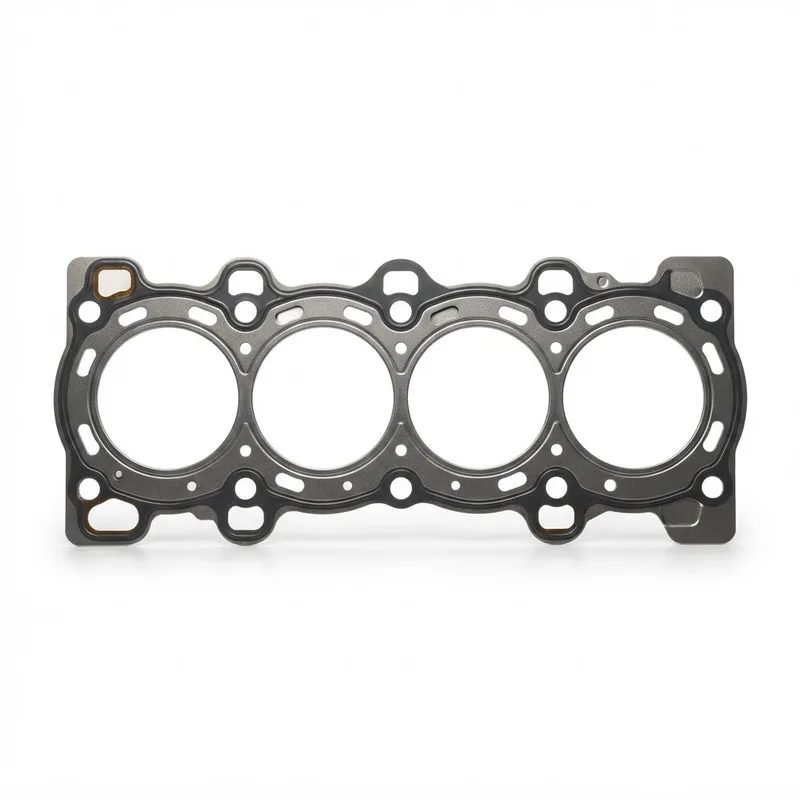
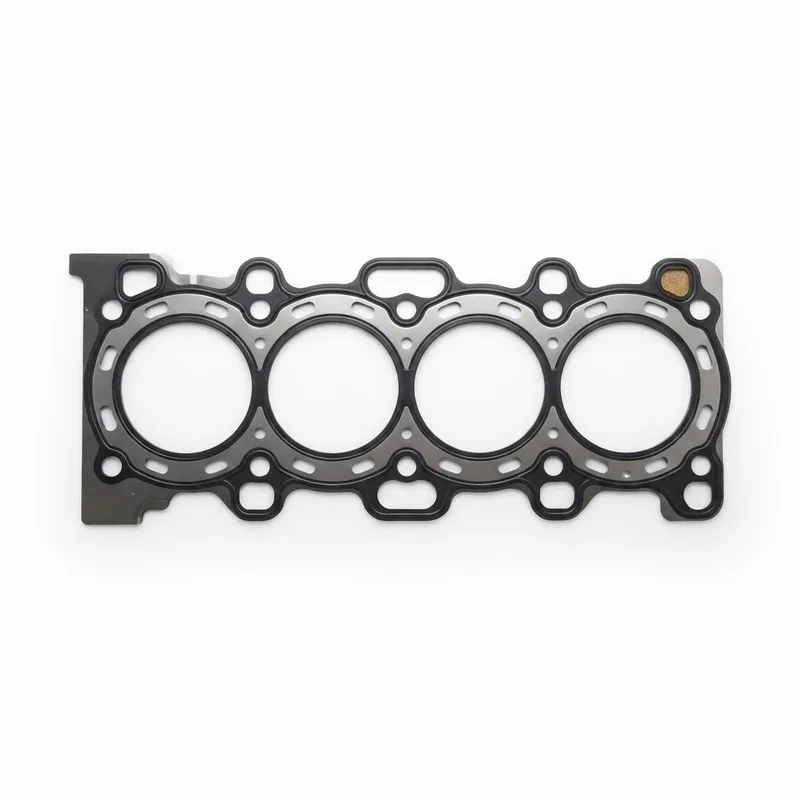
Seals the join between the engine block and the cylinder head so oil, coolant and combustion gas stay where they belong.
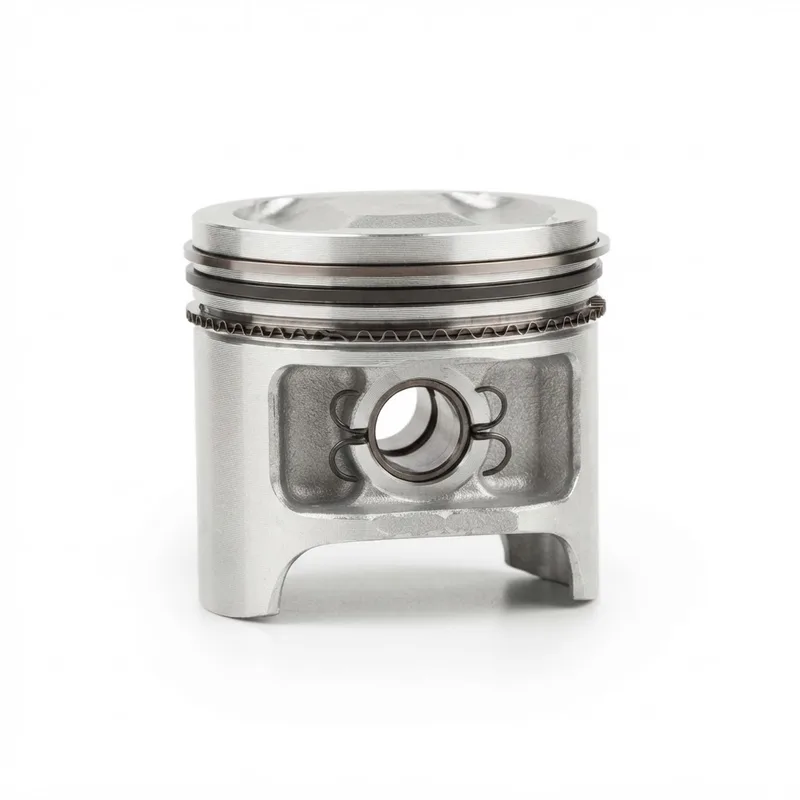
The piston moves up and down in the cylinder; the rings seal it against the cylinder wall and control oil.
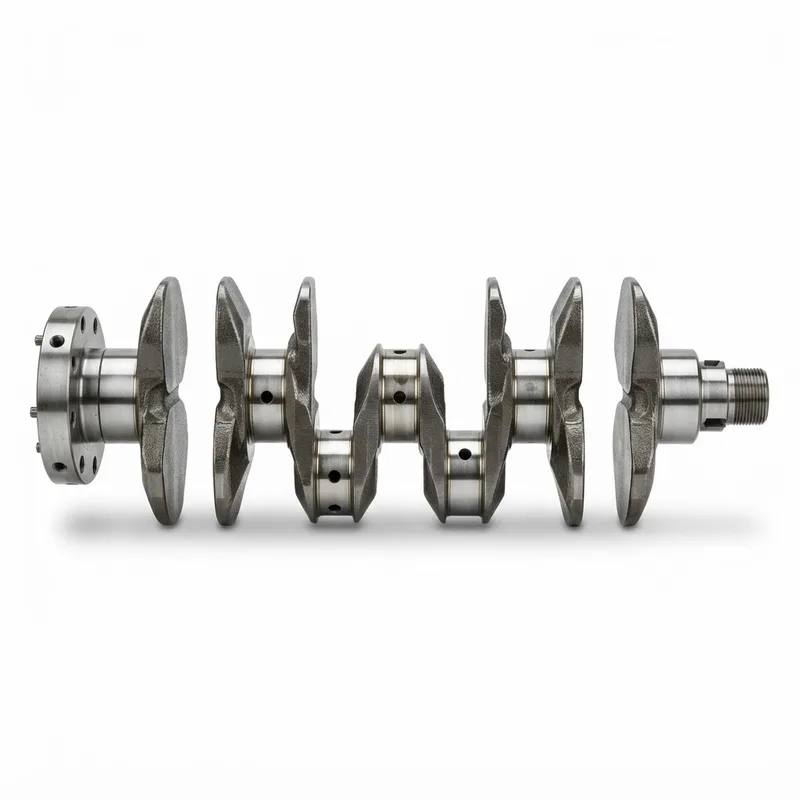
Turns the up-and-down movement of the pistons into rotation that drives the gearbox.
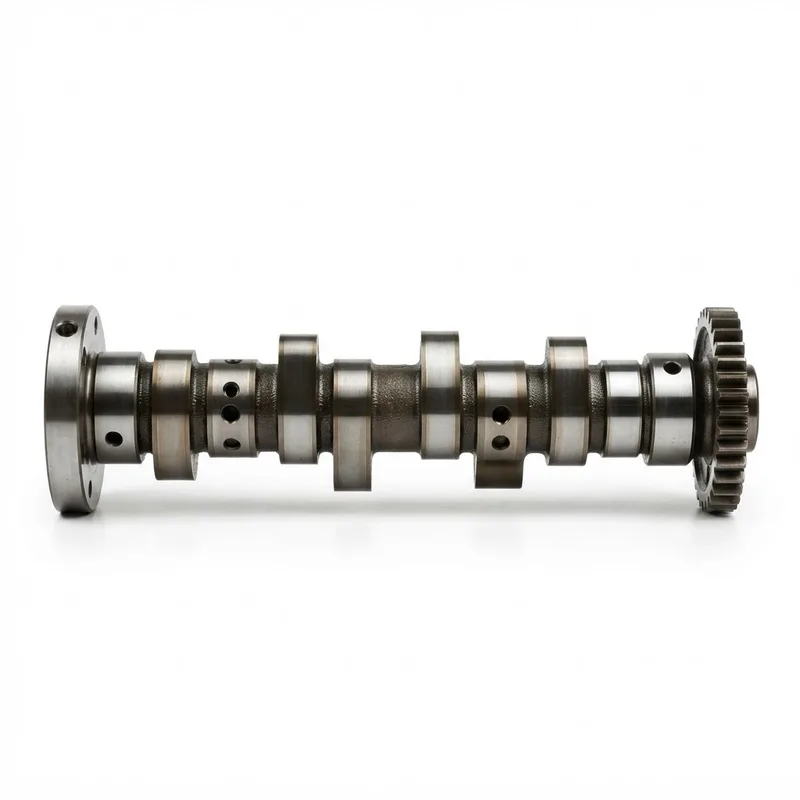
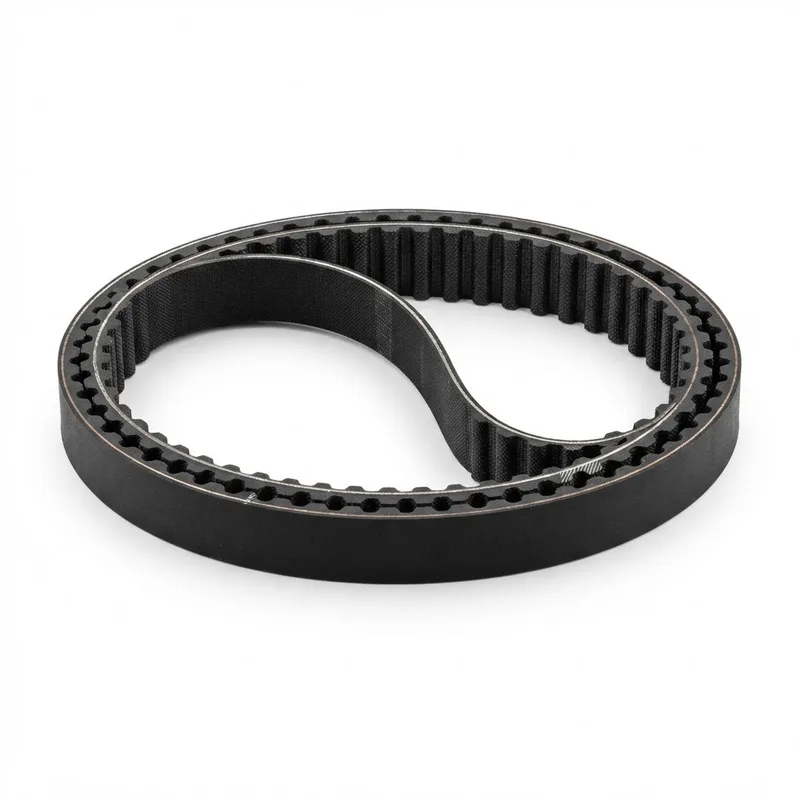
Keeps the crankshaft and camshaft in step. If it fails the engine can be badly damaged.
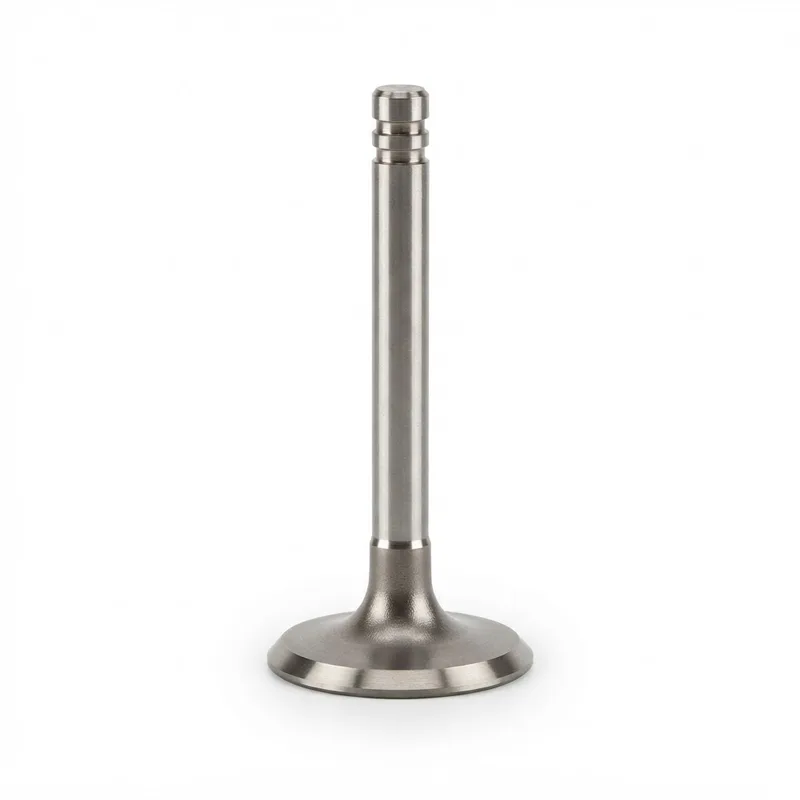
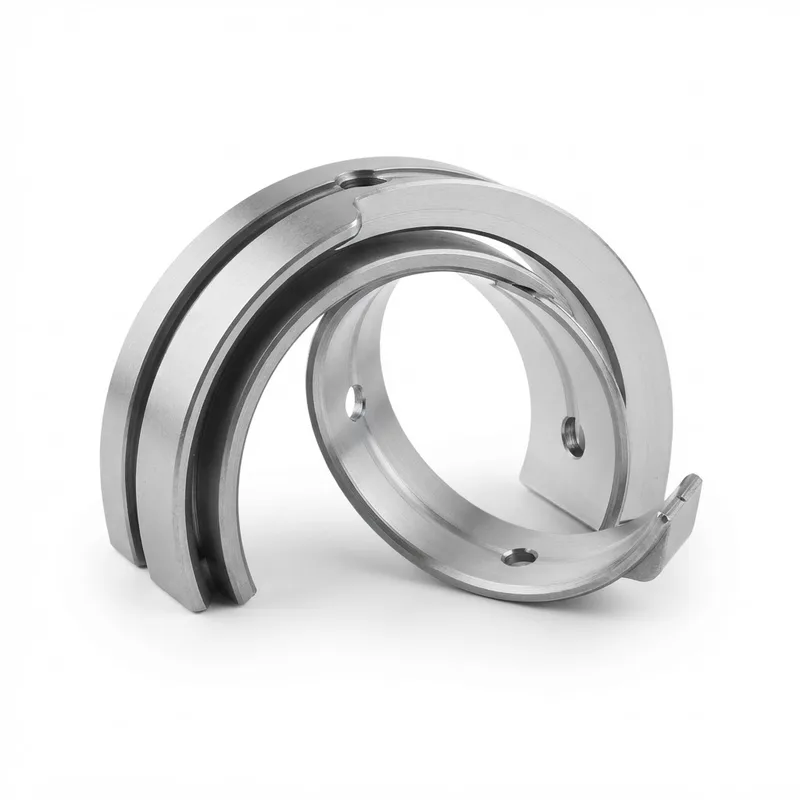
Thin shells that let the crankshaft and connecting rods spin smoothly with a film of oil.
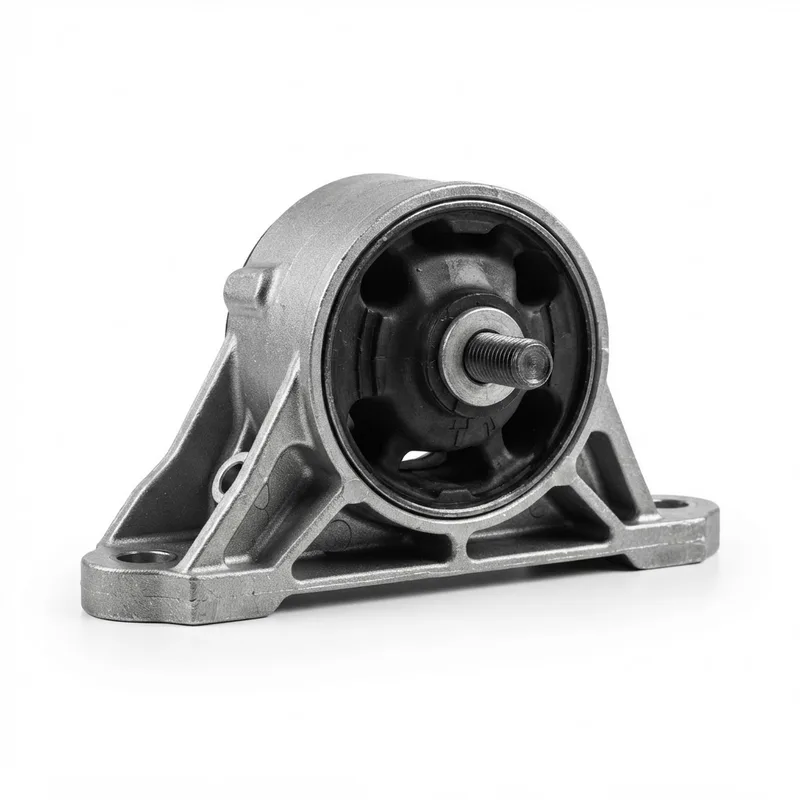
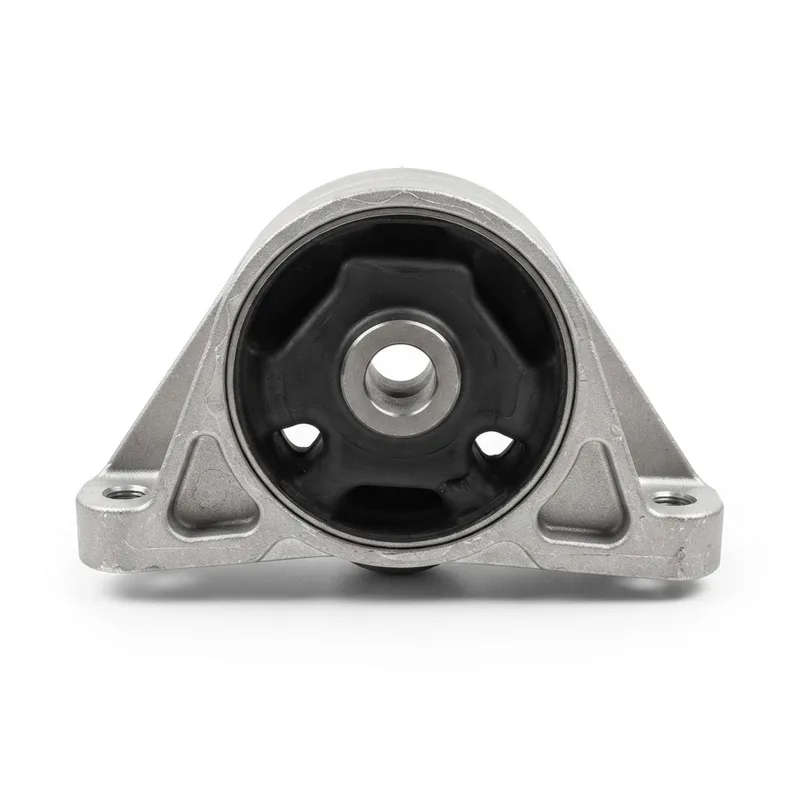
Rubber and metal supports that hold the engine in the body and absorb vibration.
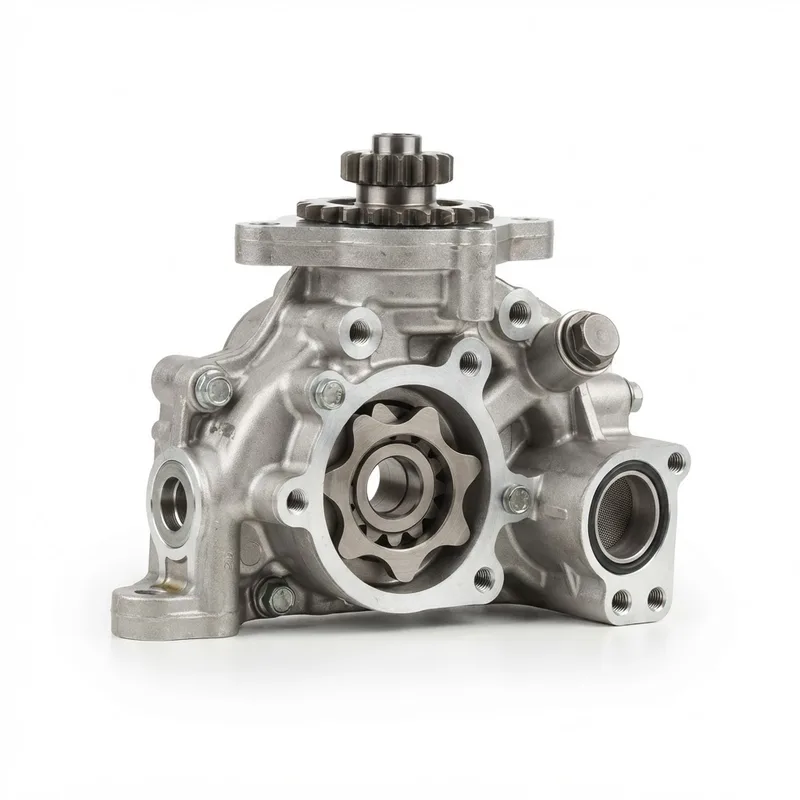
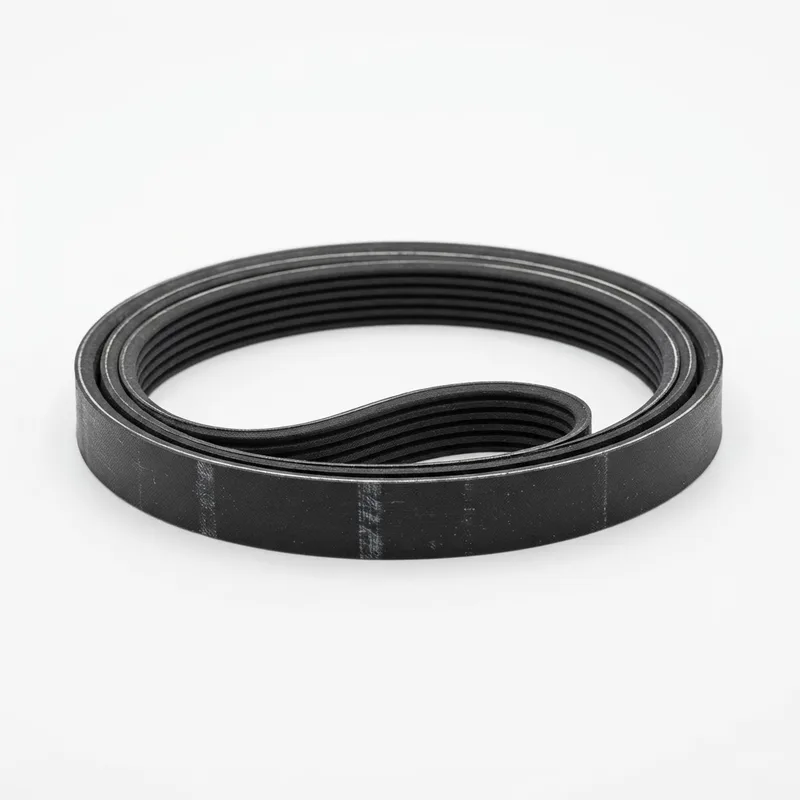
Drives the alternator, water pump, power steering pump and A/C compressor from the engine.
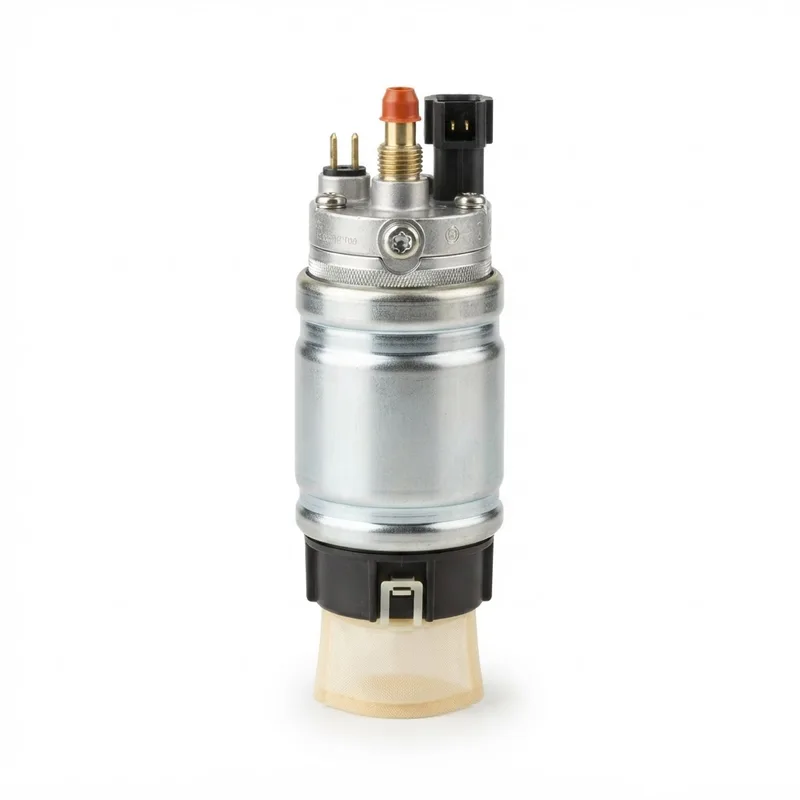
Delivers clean air and fuel to the engine.
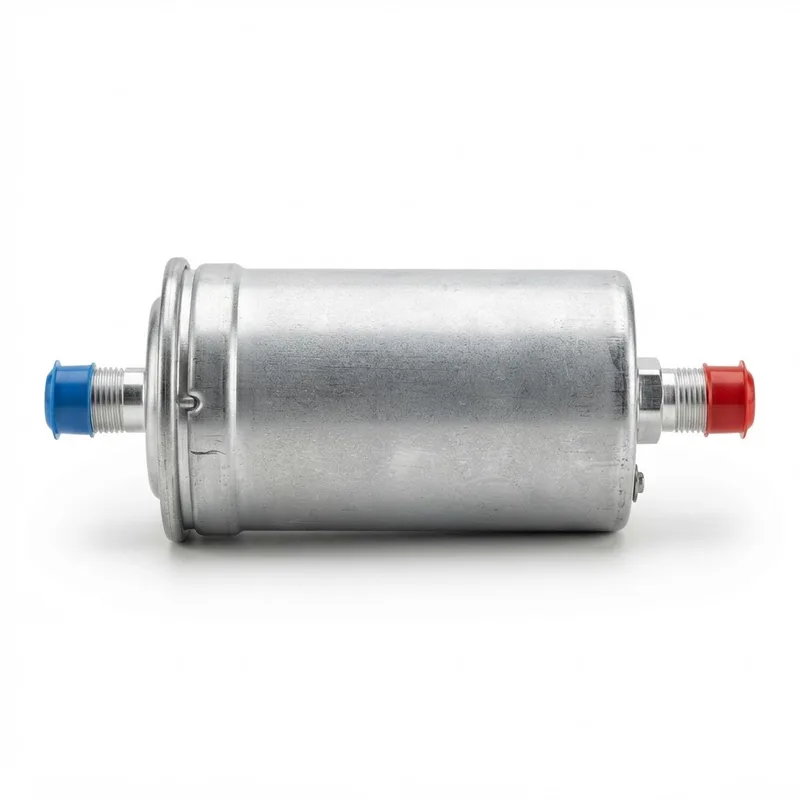
Catches dirt and water before they reach the injectors or injection pump.
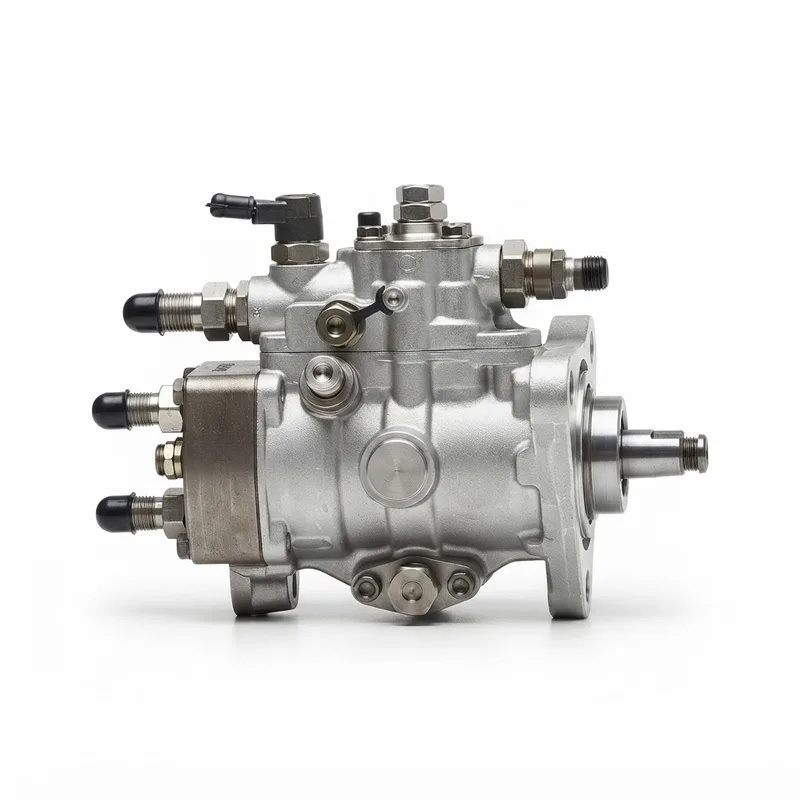
On diesel engines, sends fuel to the injectors at very high pressure.
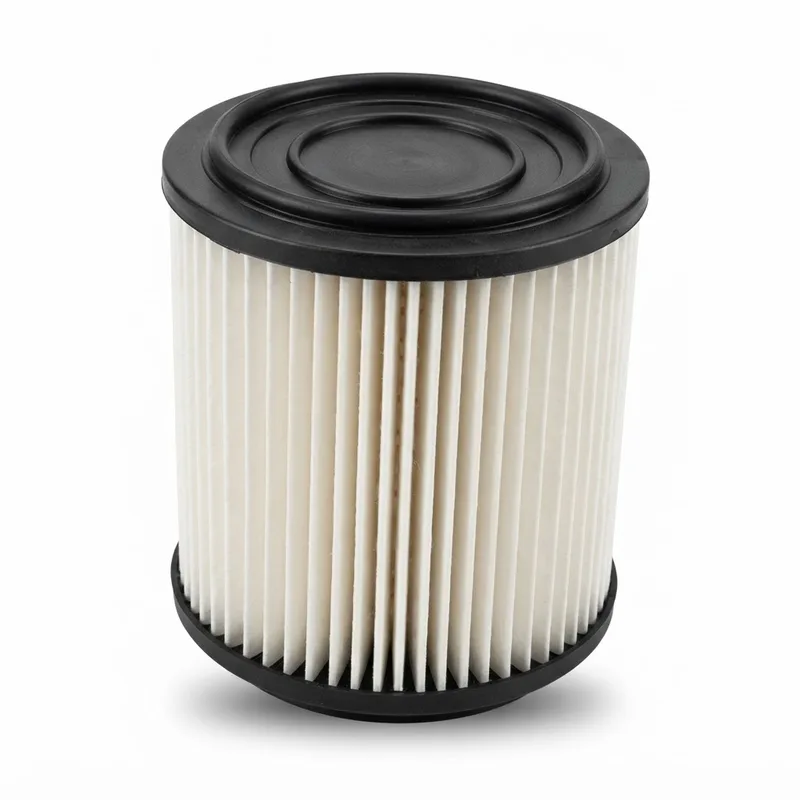
Cleans the air going into the engine. A blocked one wastes fuel and power.
Keeps the engine at the right temperature and the cabin comfortable.
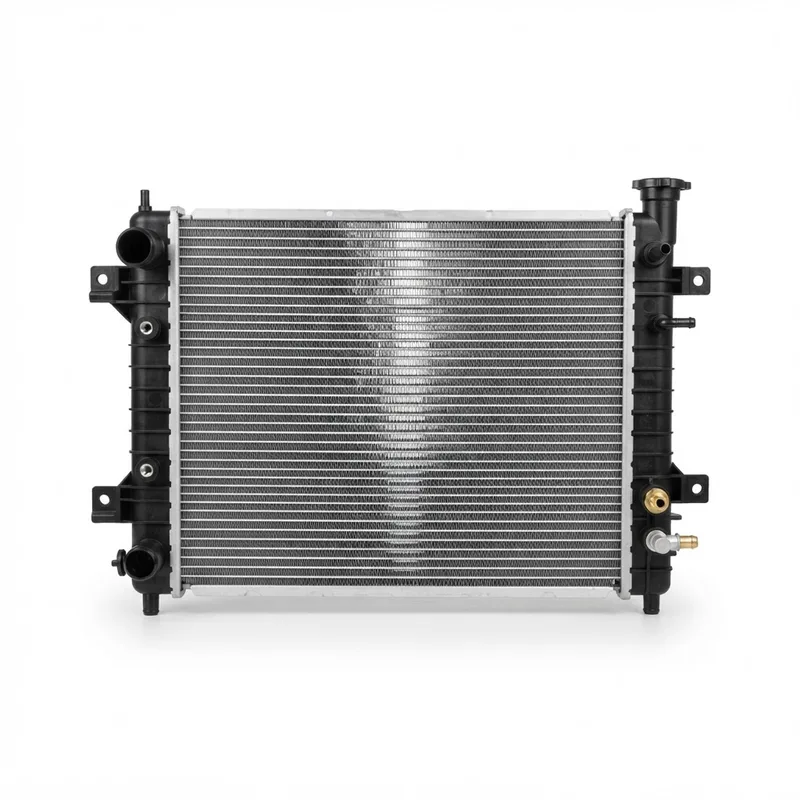
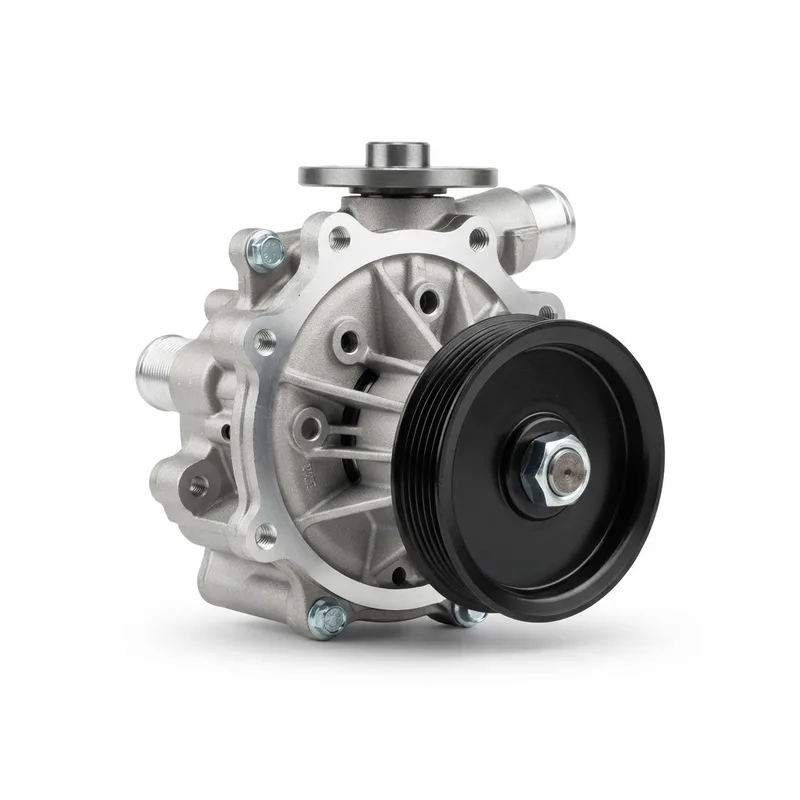
Pulls air through the radiator, especially at low speed.
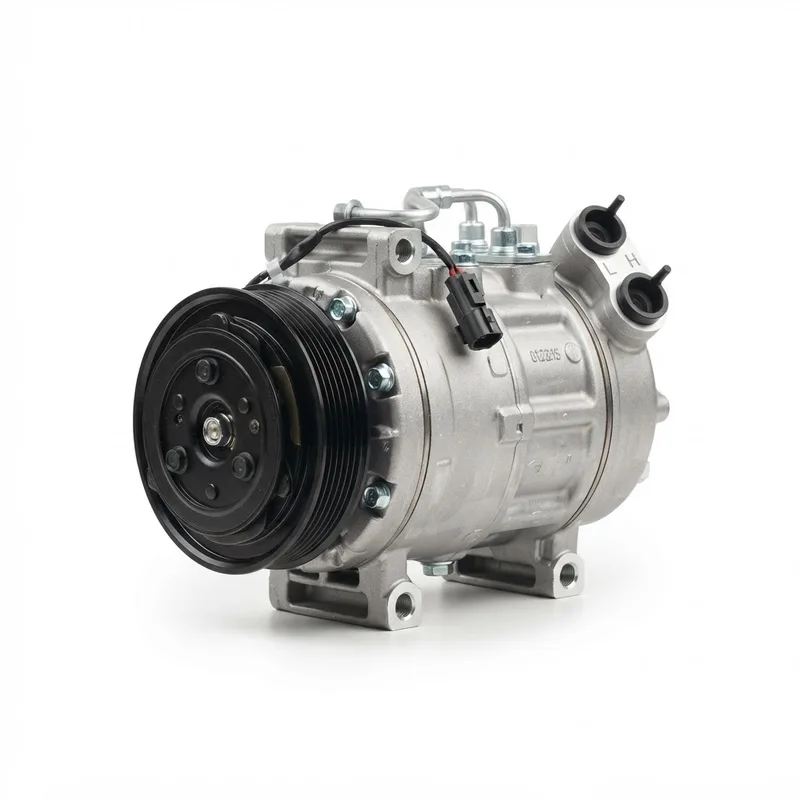
Pressurises the refrigerant so the air conditioning can cool the cabin.
Slow and stop the vehicle safely.
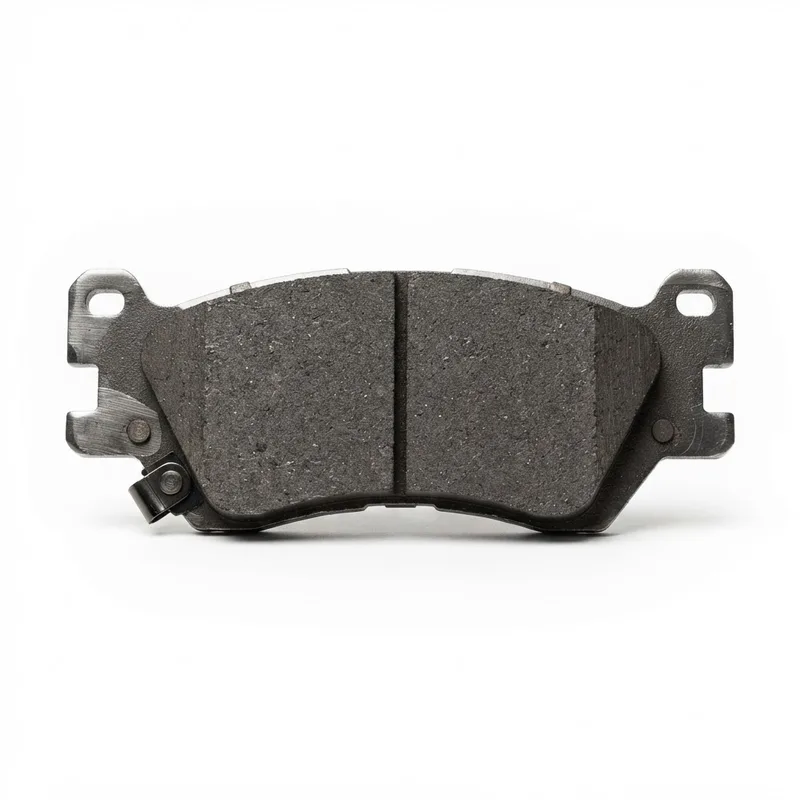
Press on the disc to slow the wheel. They wear down and need replacing.
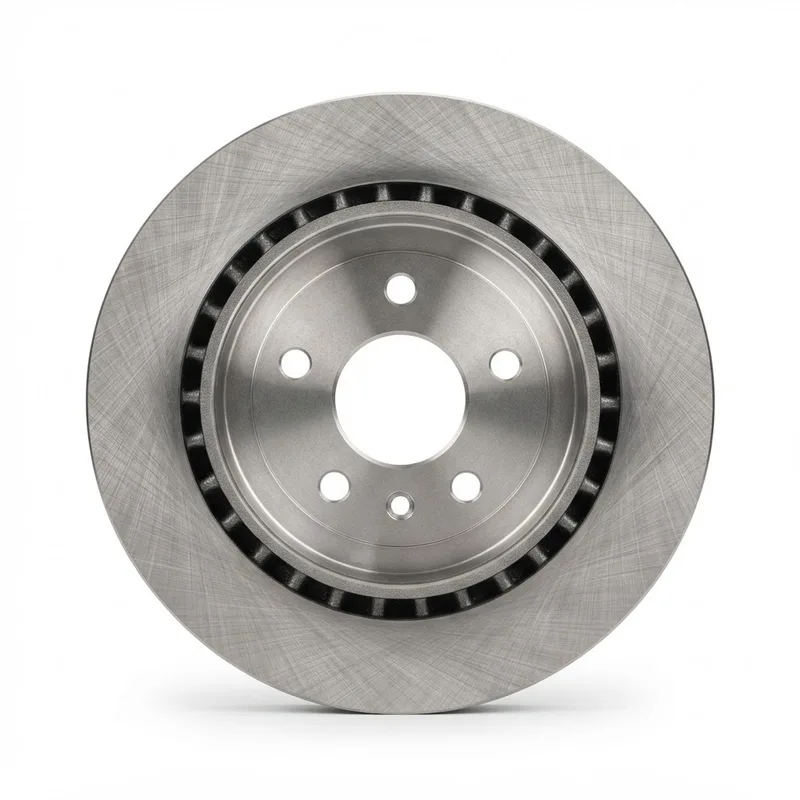
The metal disc the pads grip. Worn or warped discs cause shaking when braking.
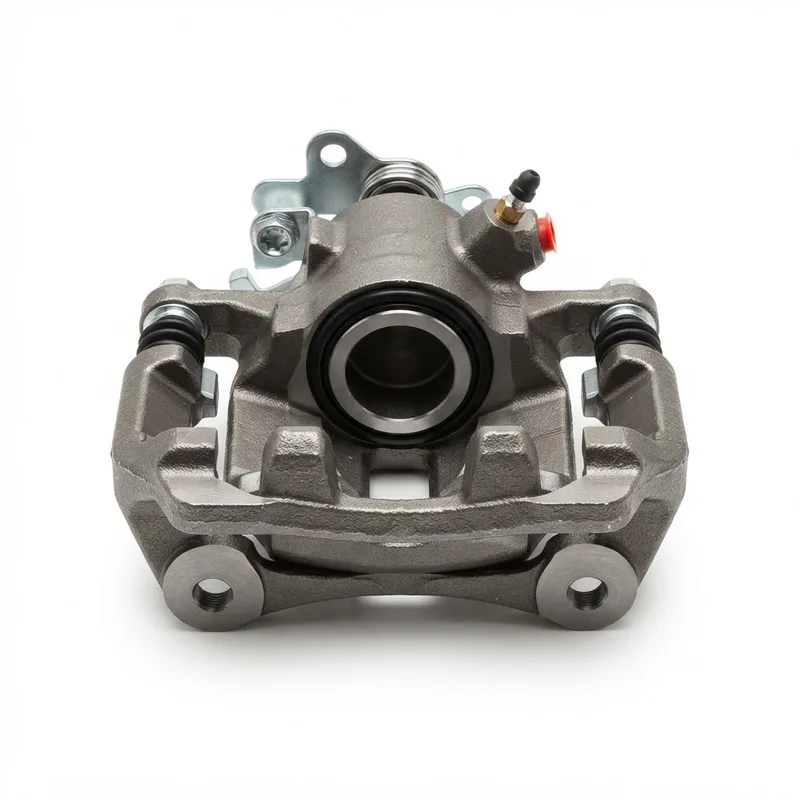
Holds the pads and squeezes them against the disc when you press the pedal.
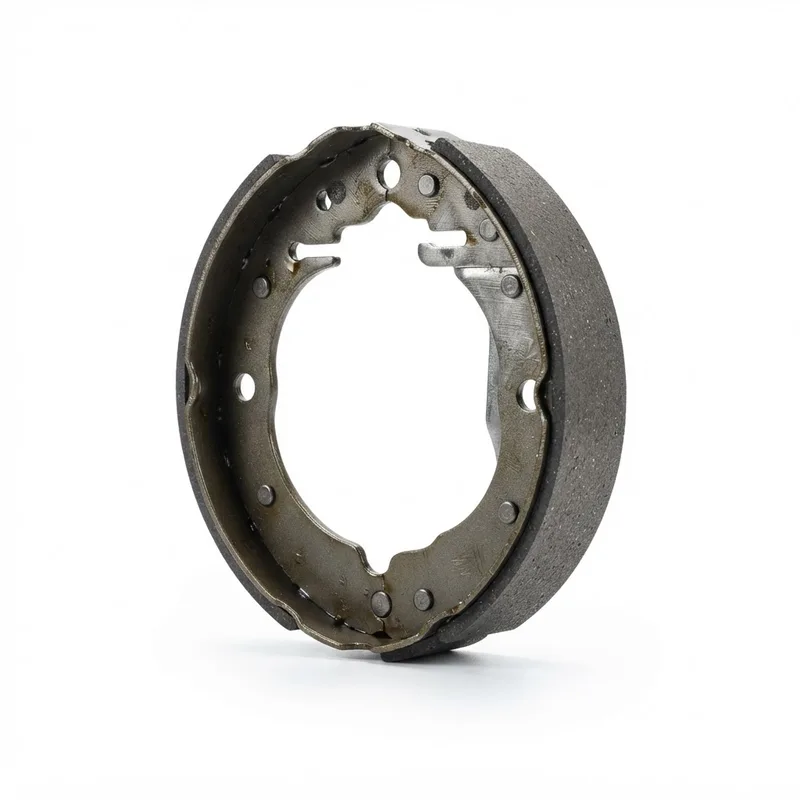
On many rear axles, shoes press outward against a drum to brake.
Give a smooth ride and let you control the vehicle.
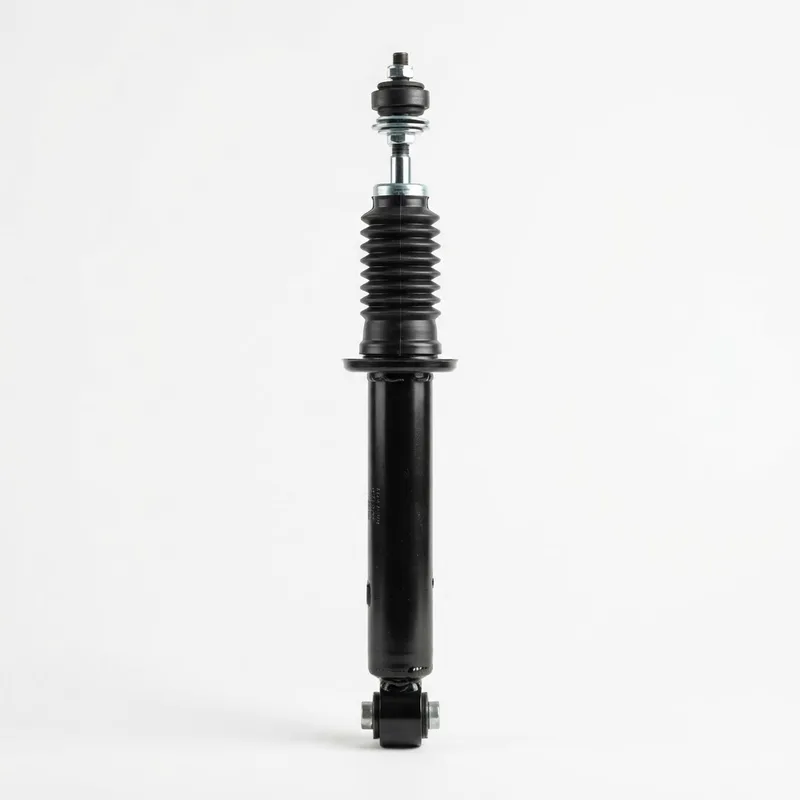
Controls the bounce of the springs so the vehicle stays stable and comfortable.
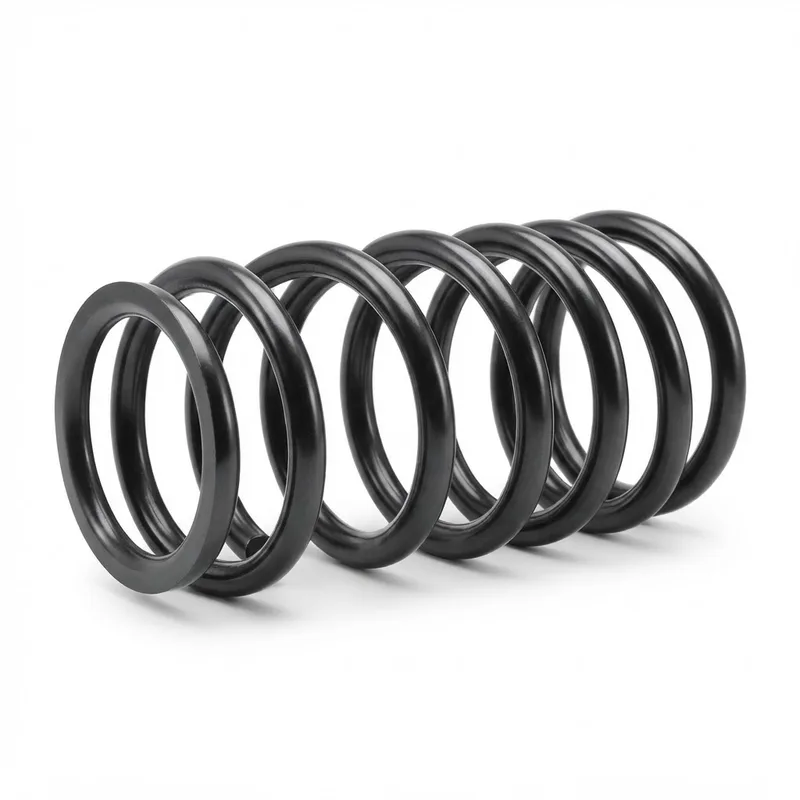
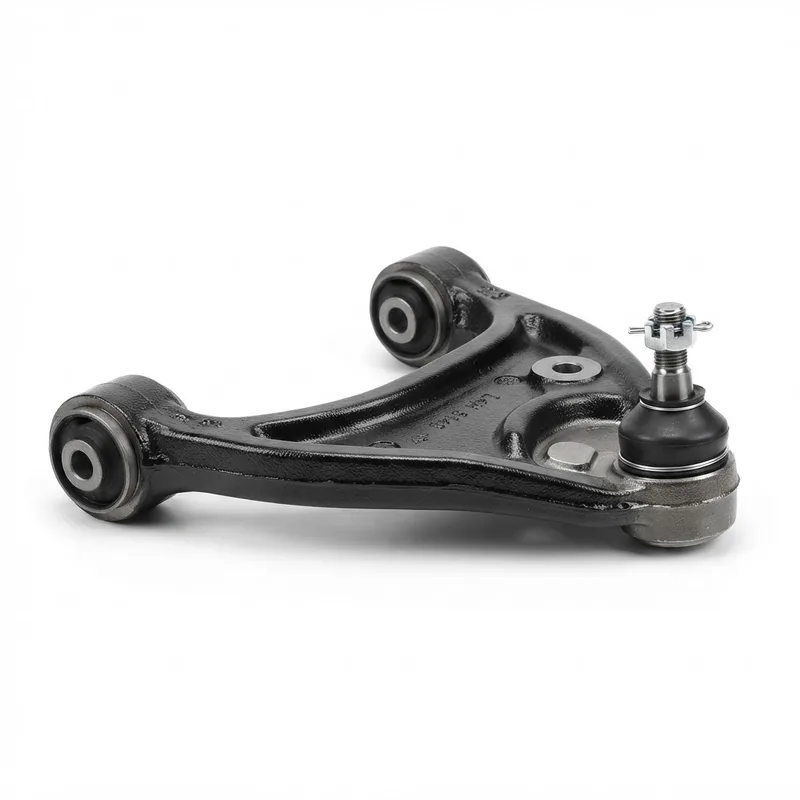
Link the wheel hub to the body and let the wheel move up and down.
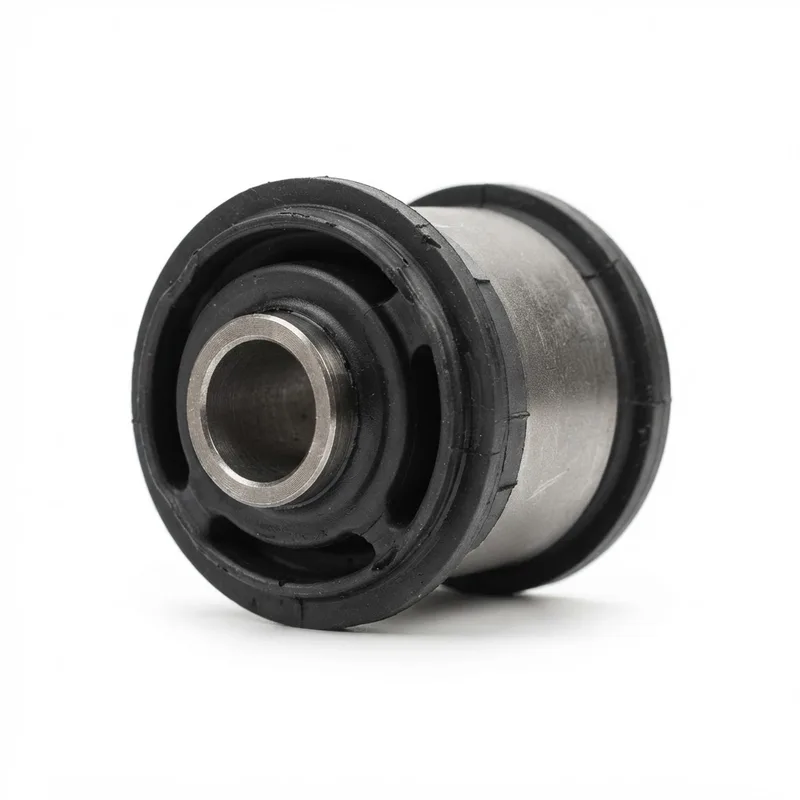
Rubber sleeves that cushion the joints in the suspension and cut noise.
Carry the engine's power to the wheels.
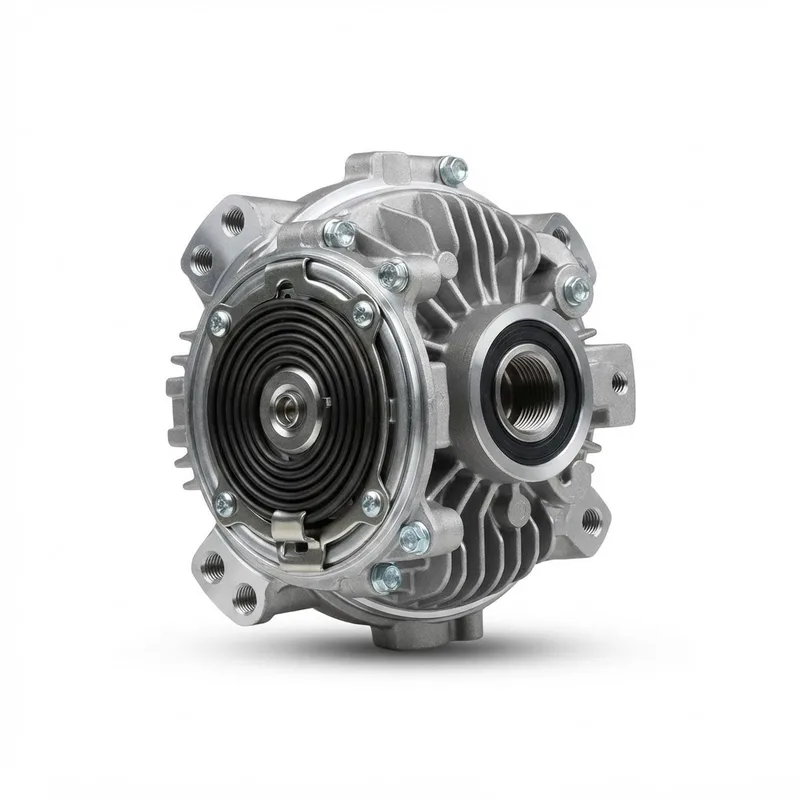
Connect and disconnect the engine from the gearbox when changing gear (manual vehicles).
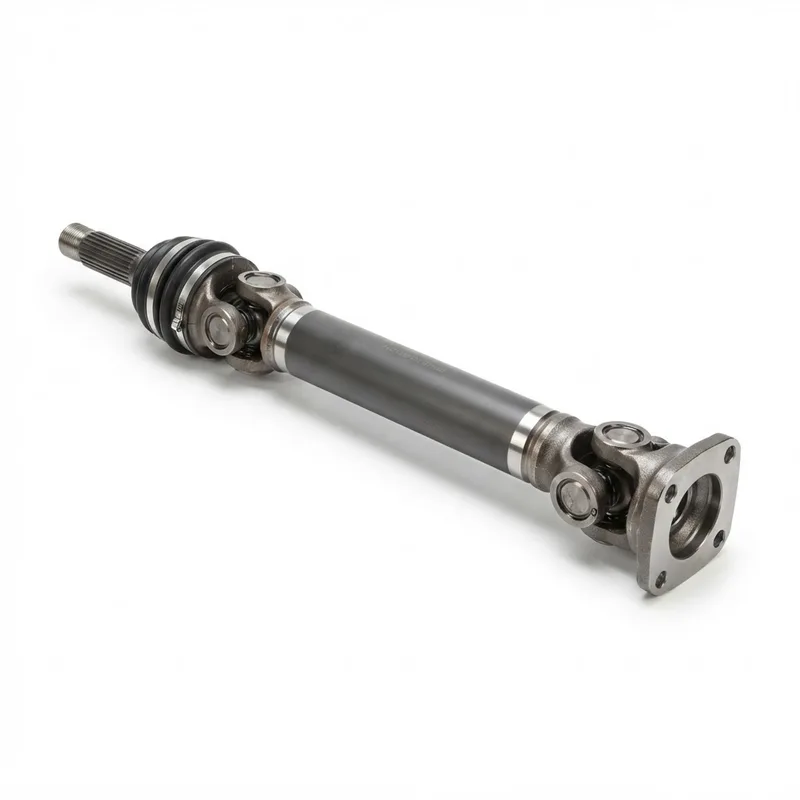
Send power from the gearbox or differential to the wheels while allowing them to move and steer.
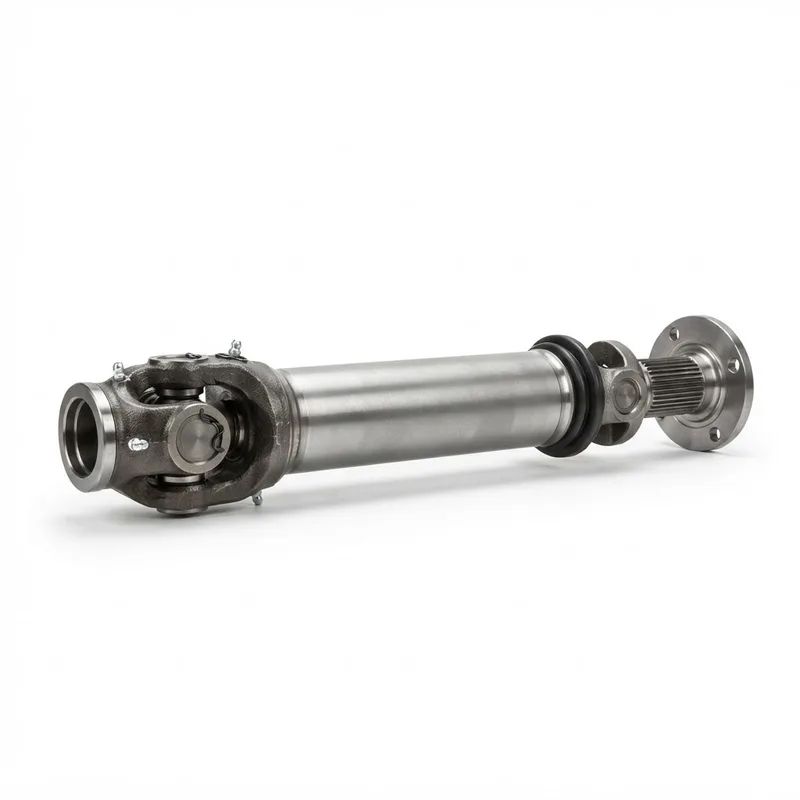
Carries power from the gearbox to the rear (or front) differential.
Start the engine, charge the battery and report to the computer.
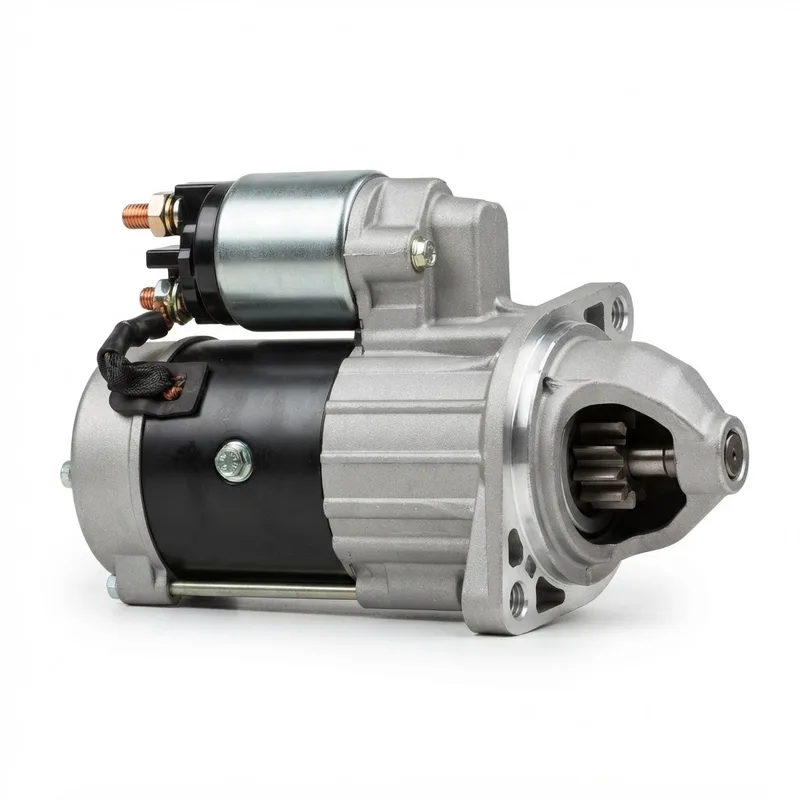
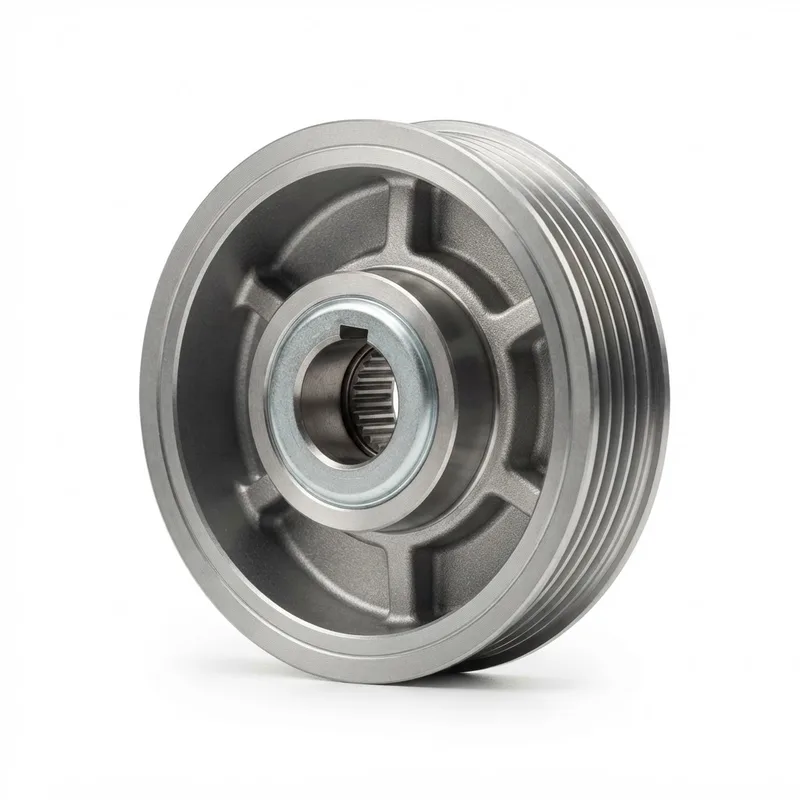
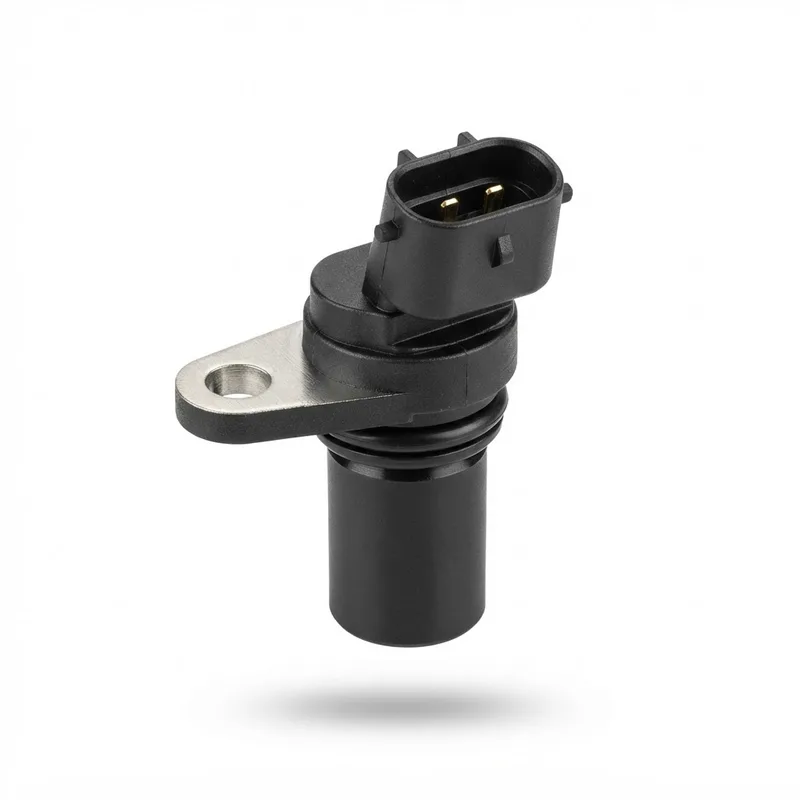
Tells the engine computer how fast the engine is turning, so it can time the spark and fuel.
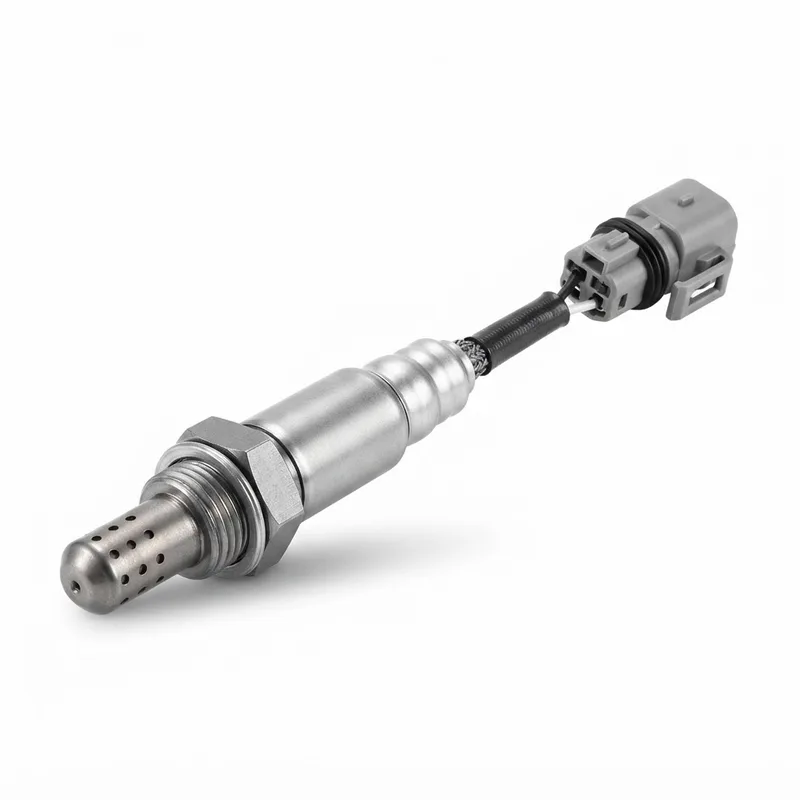
Measures oxygen in the exhaust so the engine computer can keep fuel use and emissions in balance.
See and be seen.
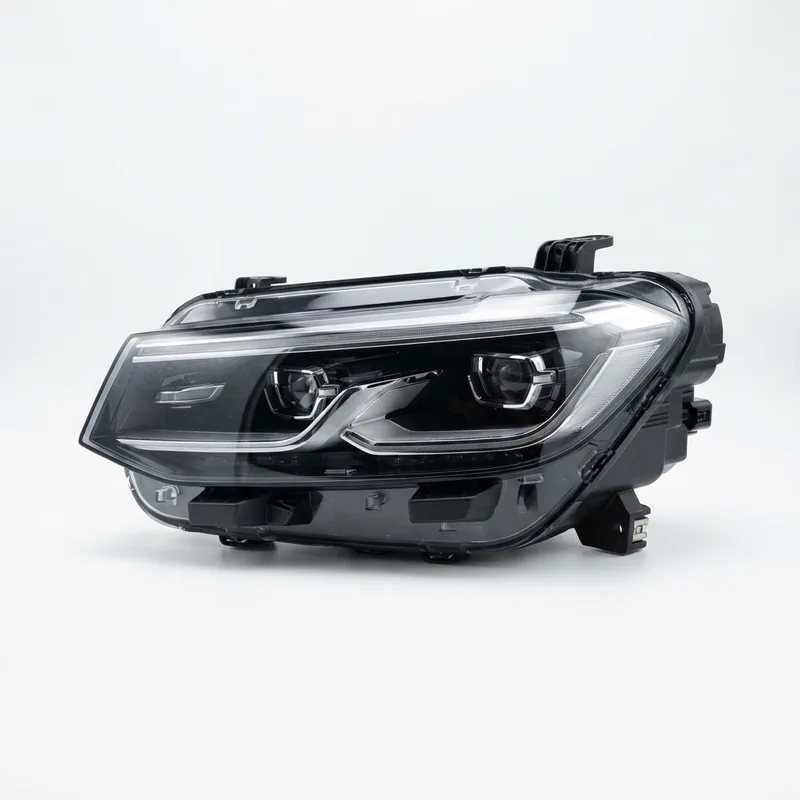
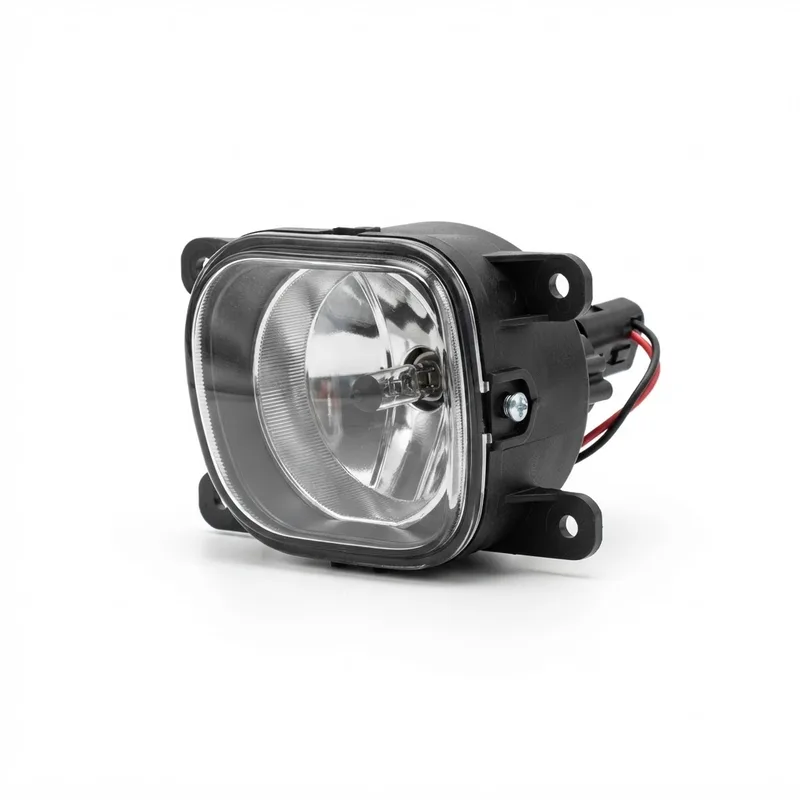
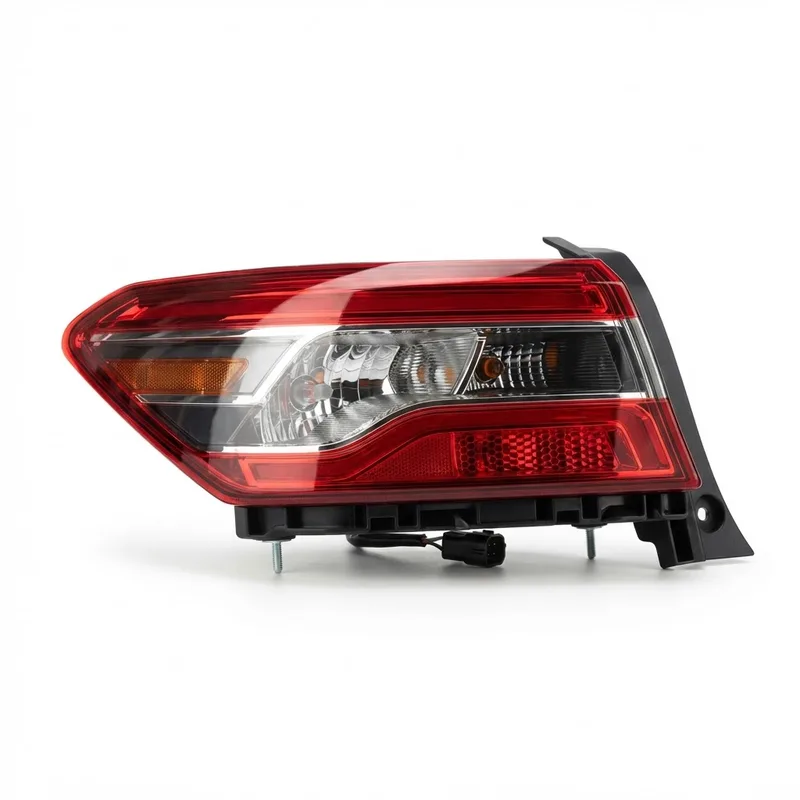
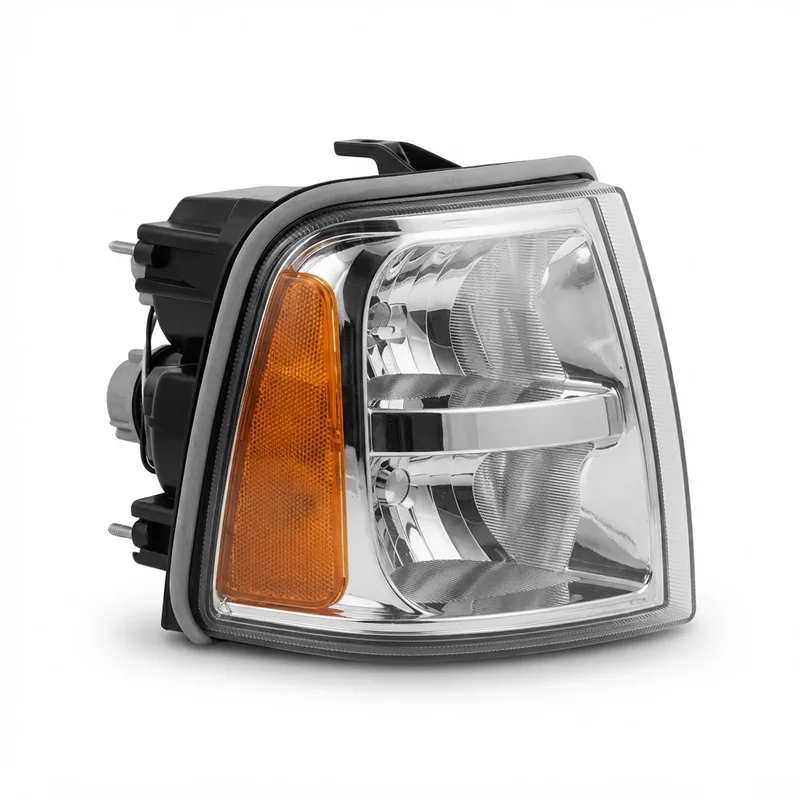
The outside shell and what is fitted to it.
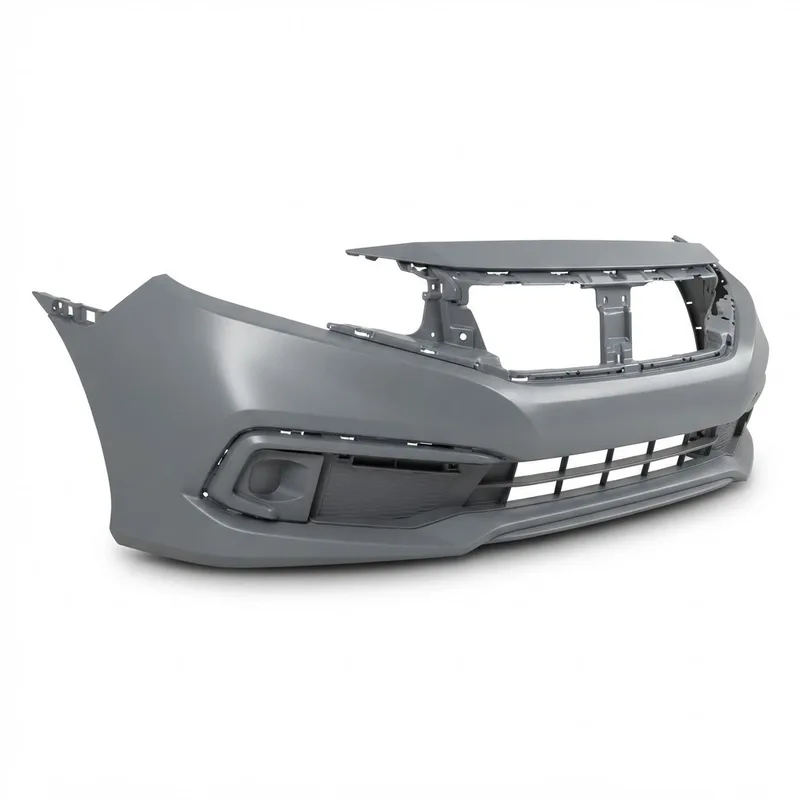
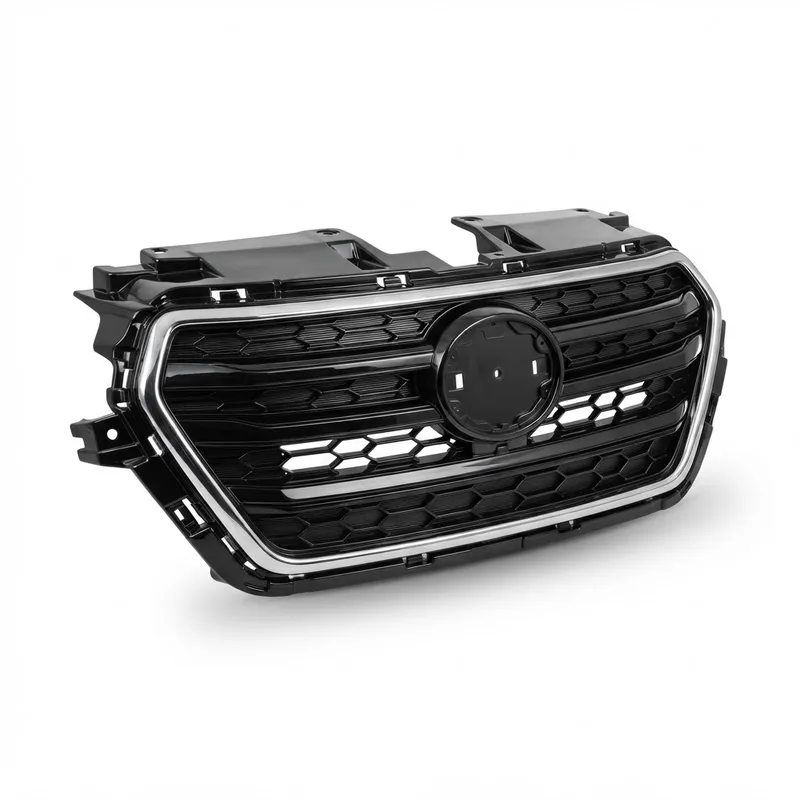
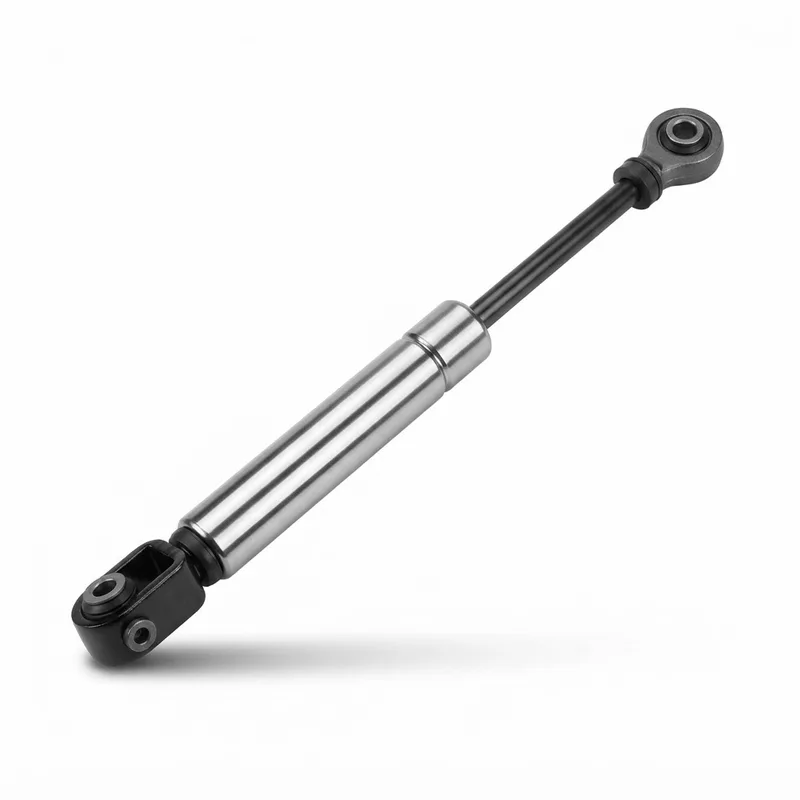
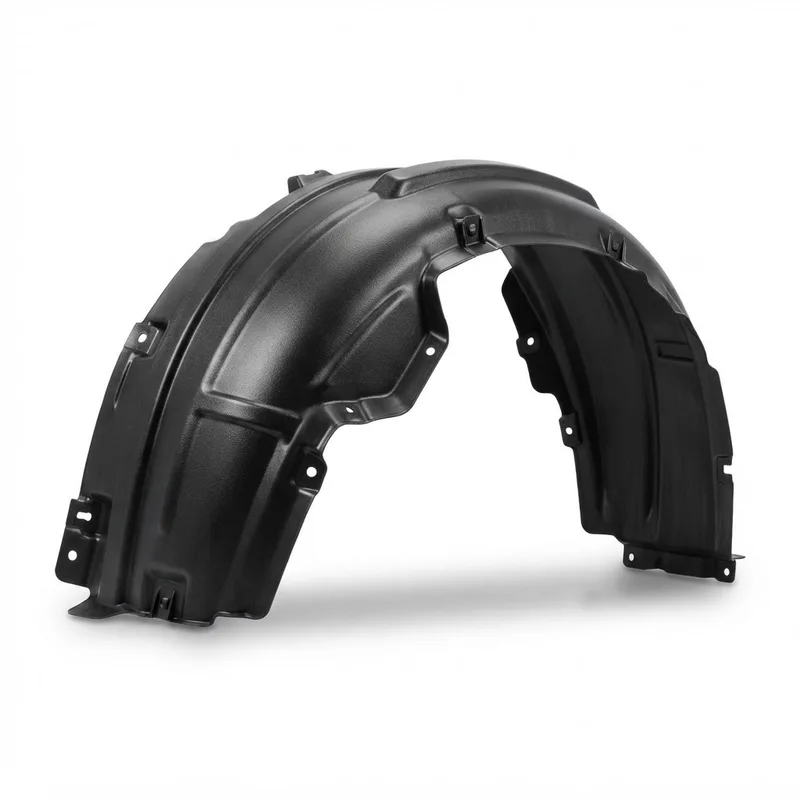
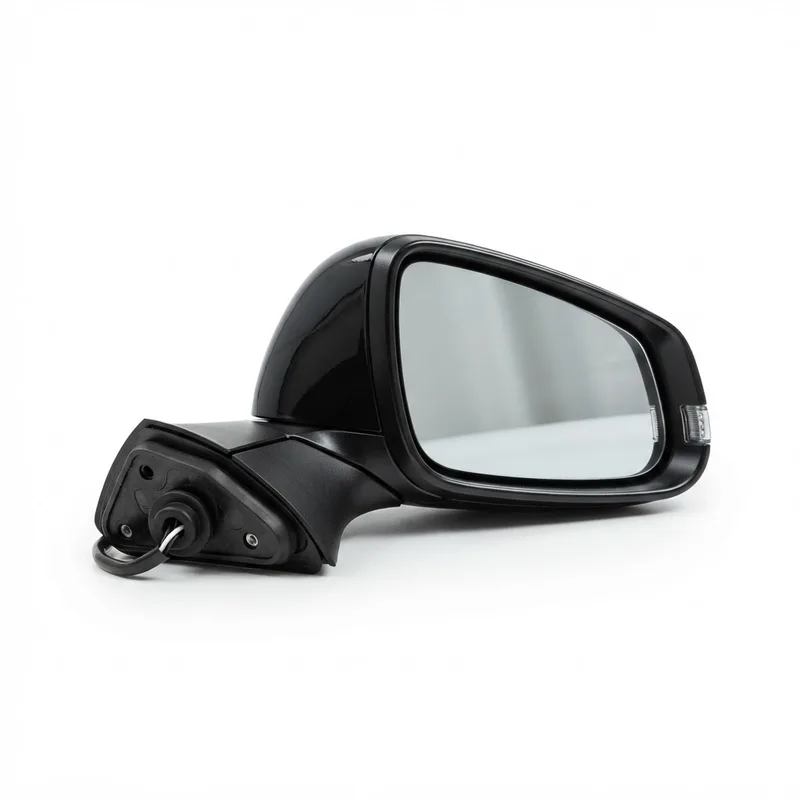
Routine service items.
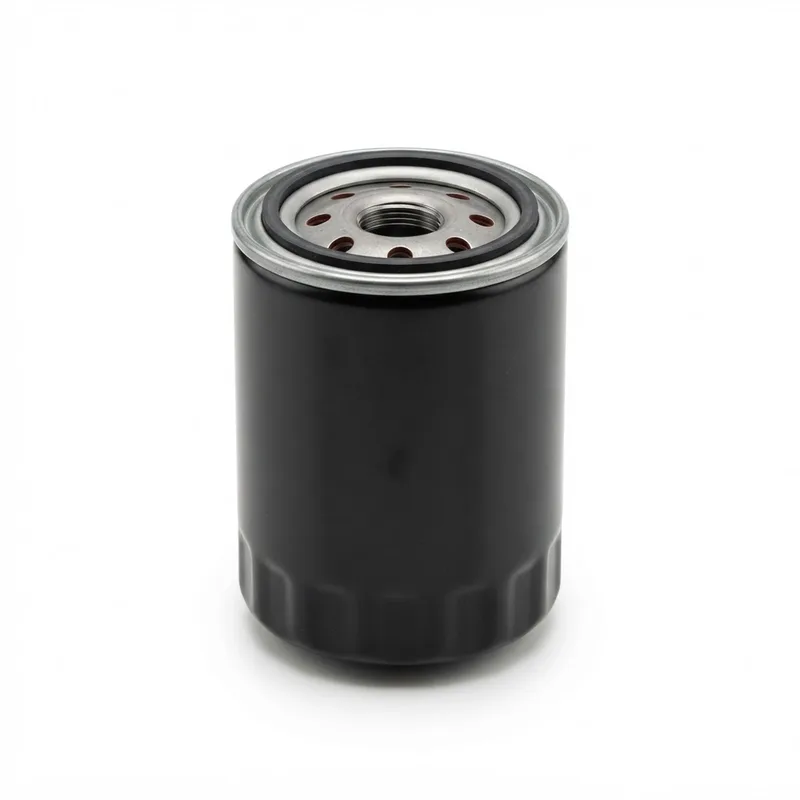
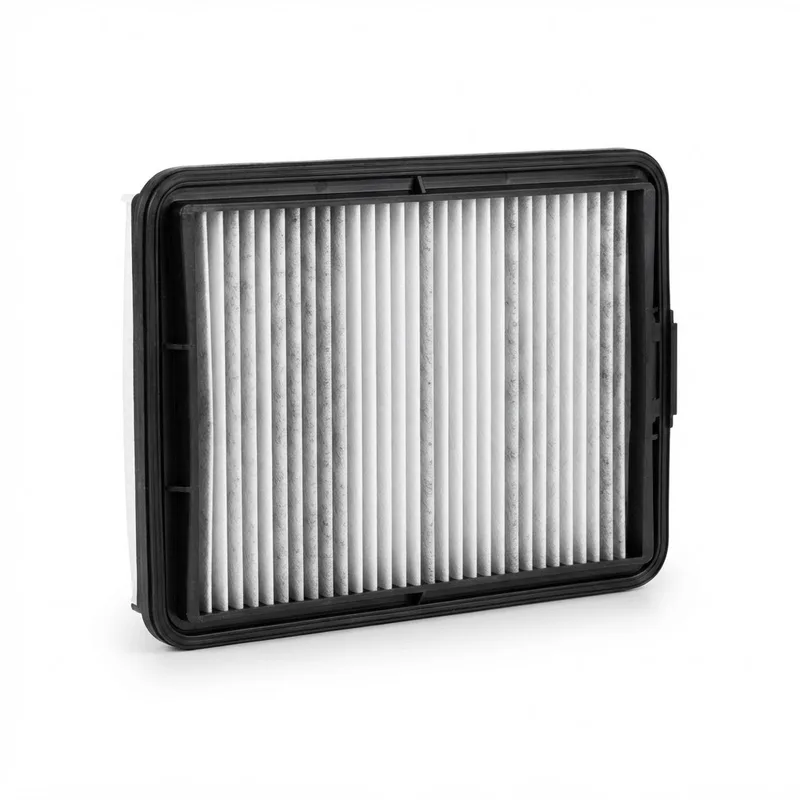
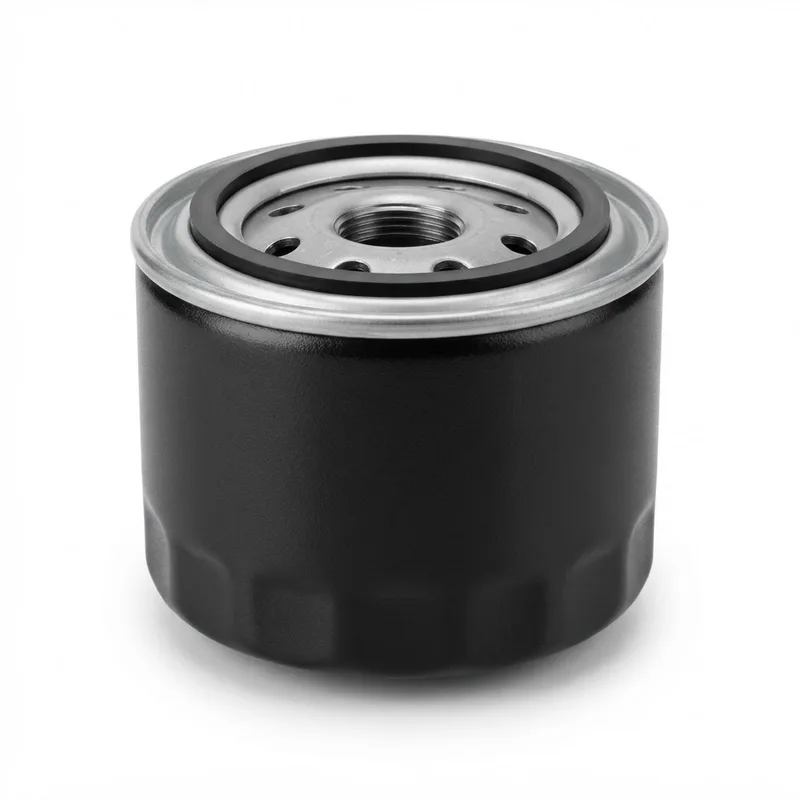
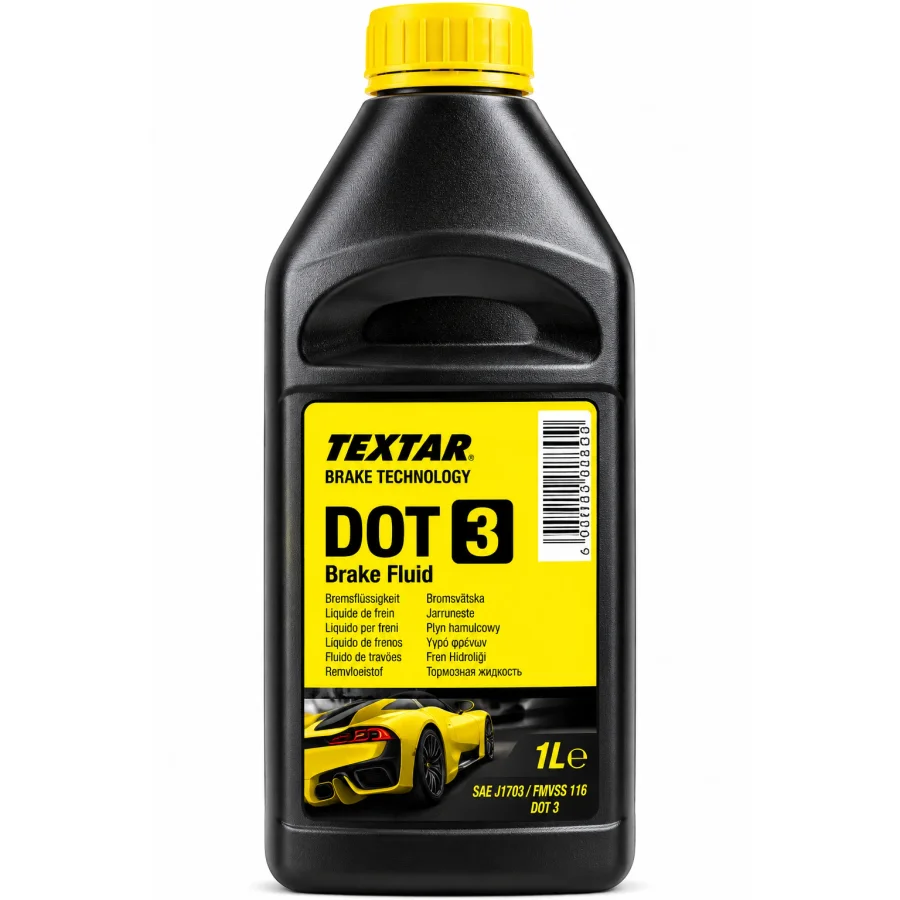
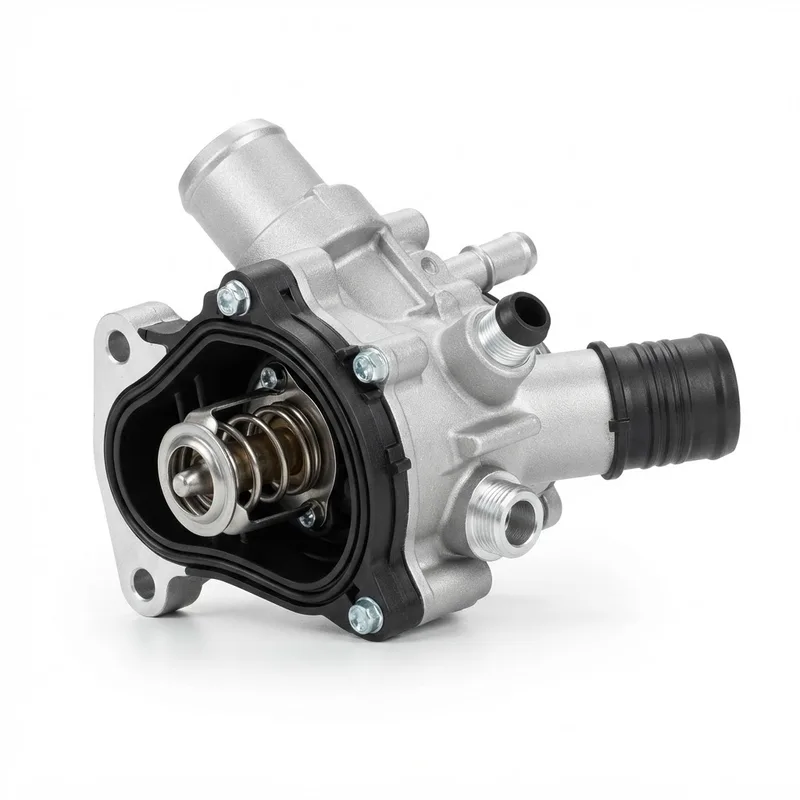
Carries exhaust gas away and quietens the engine.
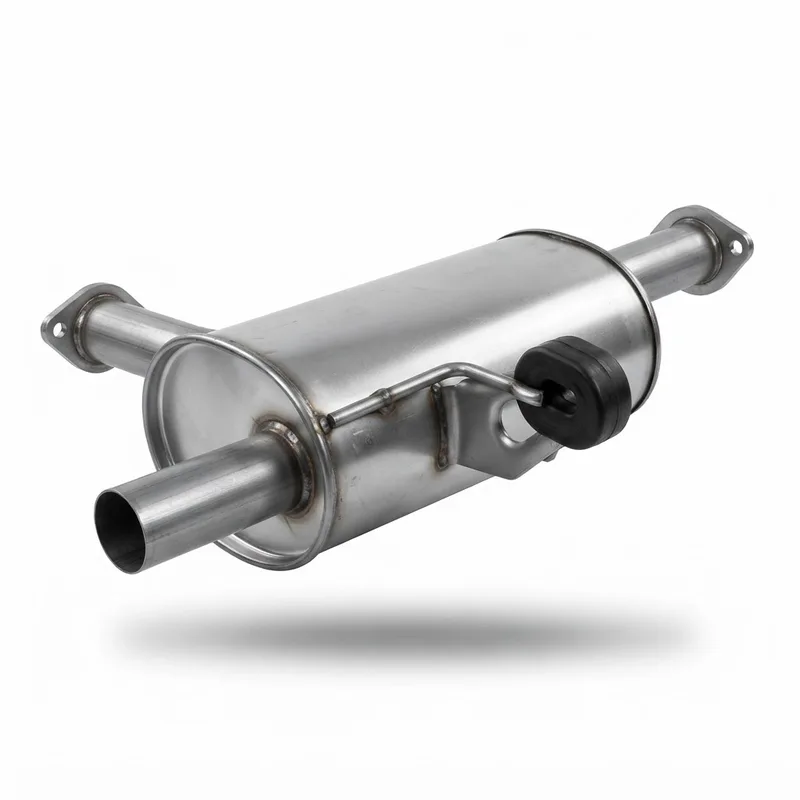
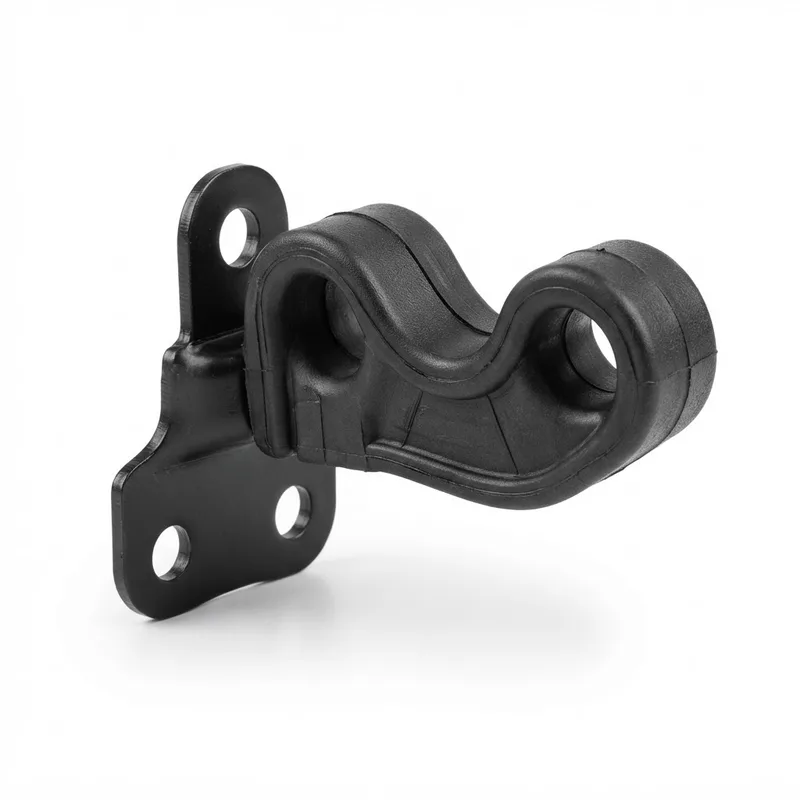
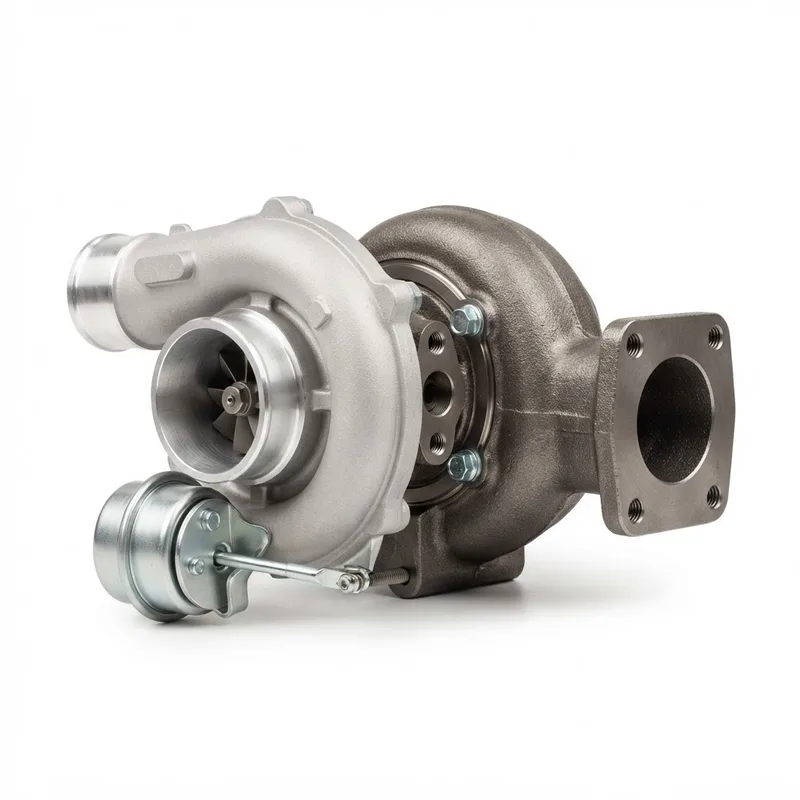
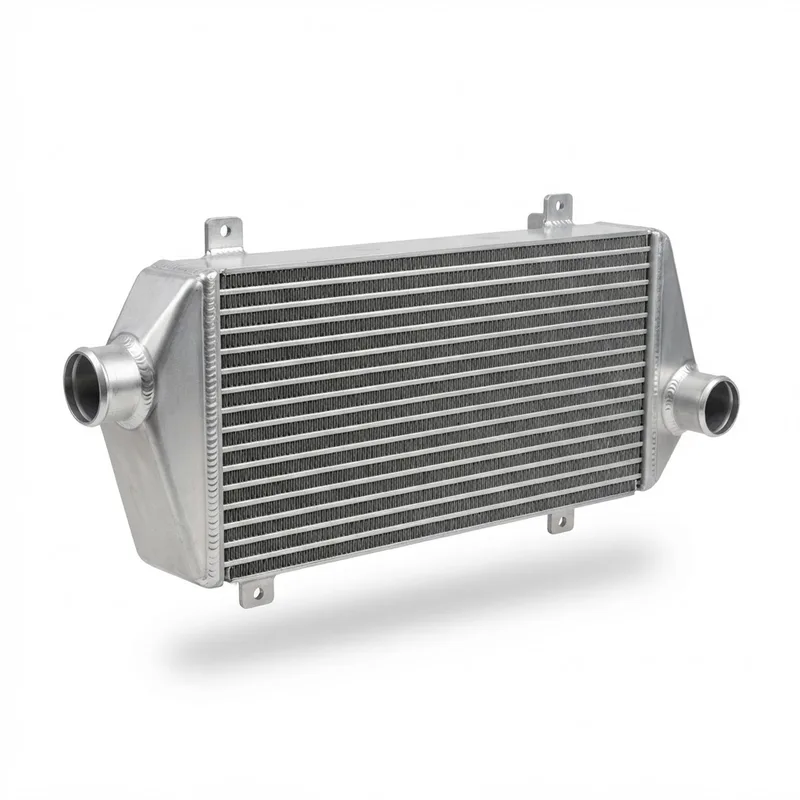
Cools the compressed air from the turbo so the engine can burn more fuel efficiently.
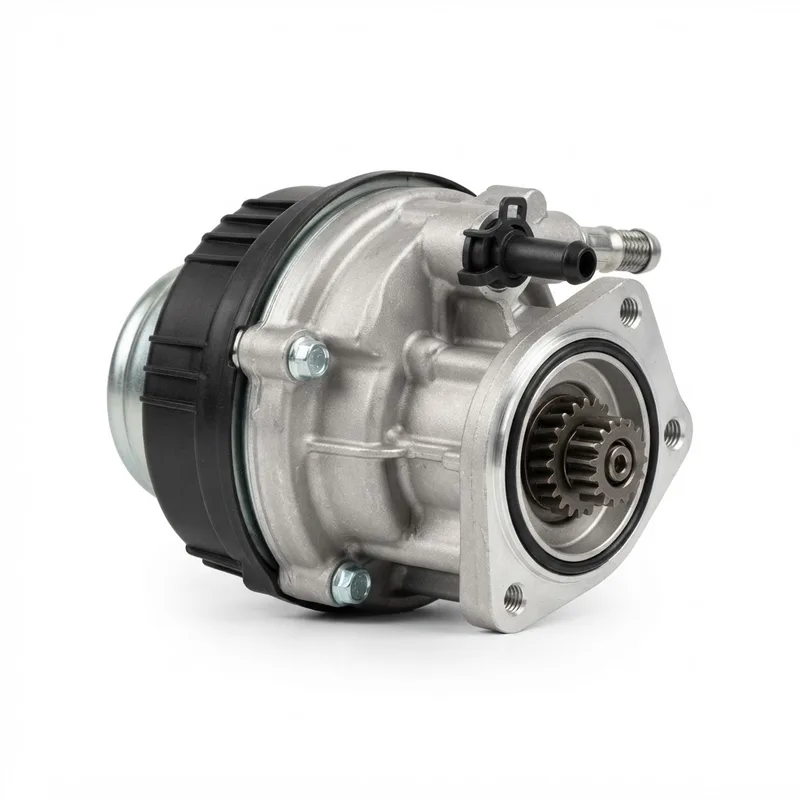
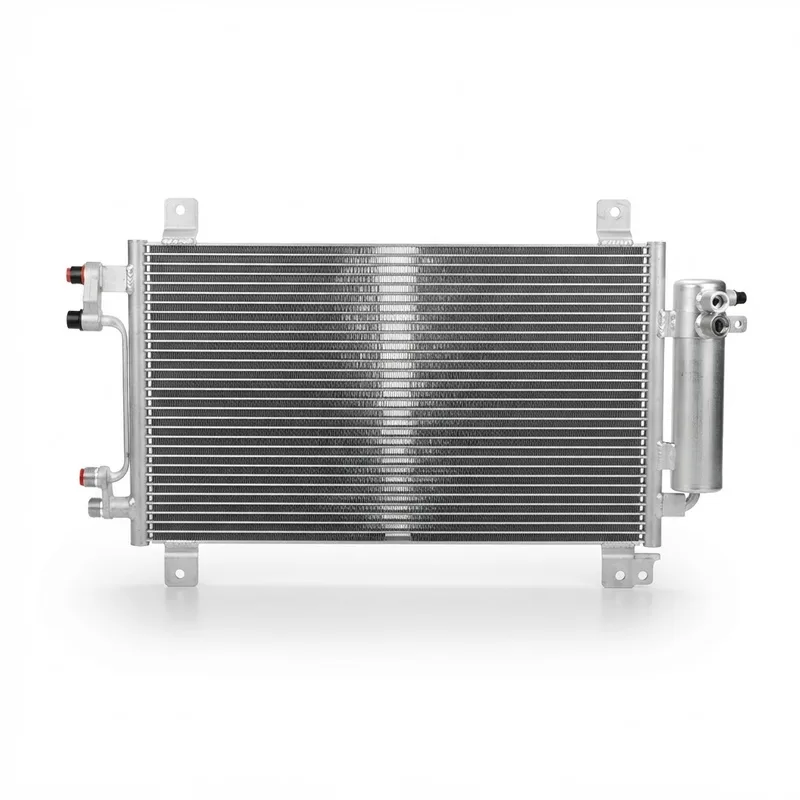
Releases heat from the refrigerant, like a small radiator in front of the engine radiator.
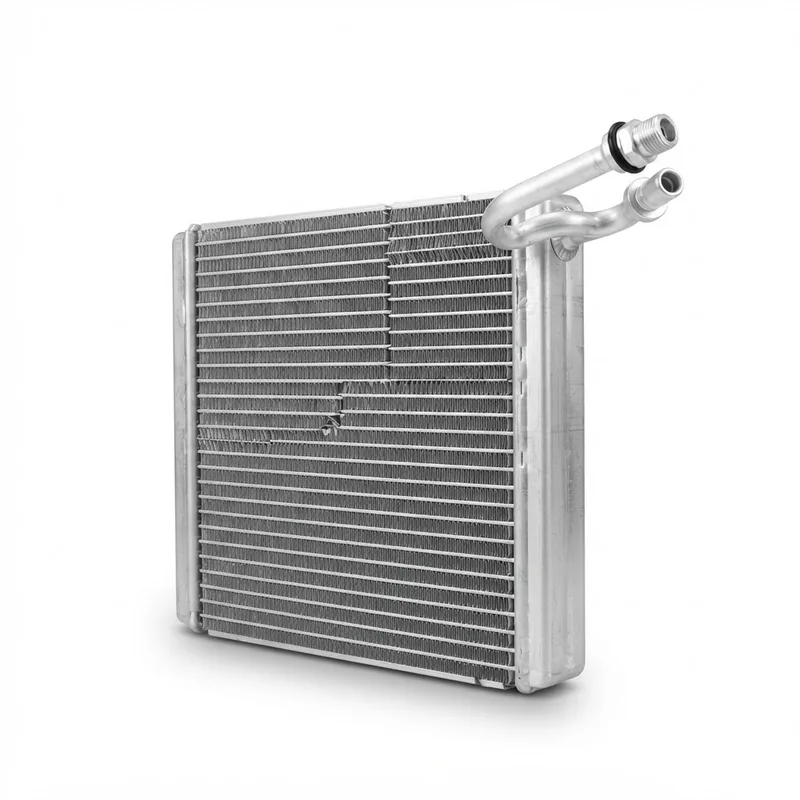
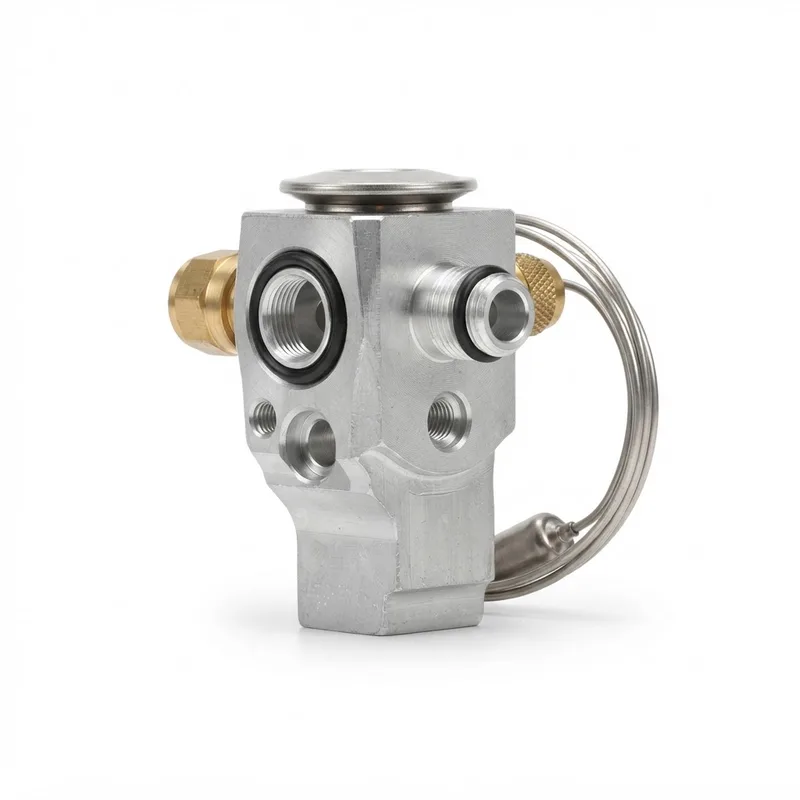
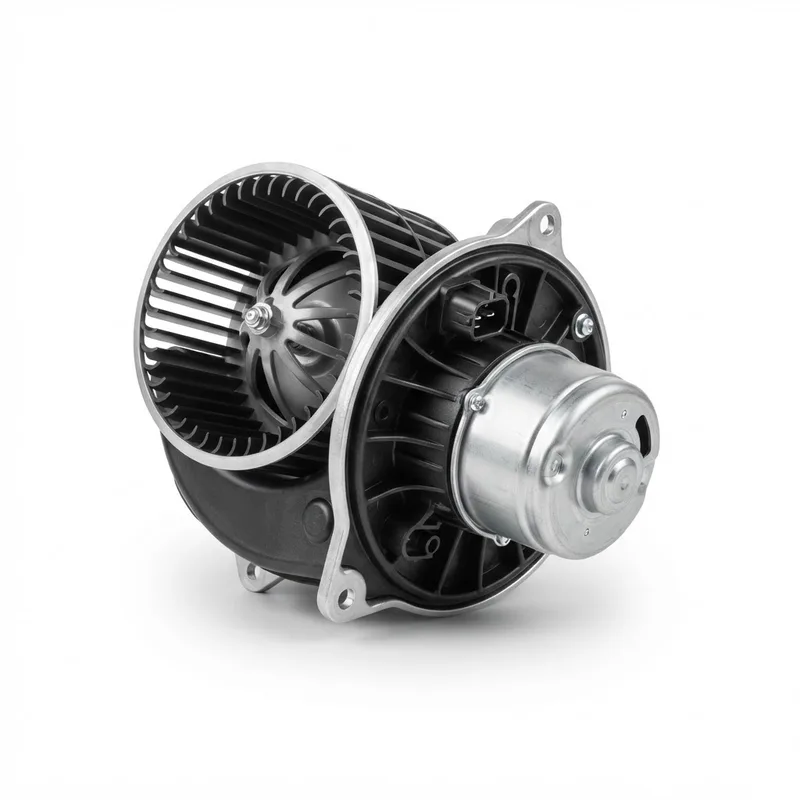
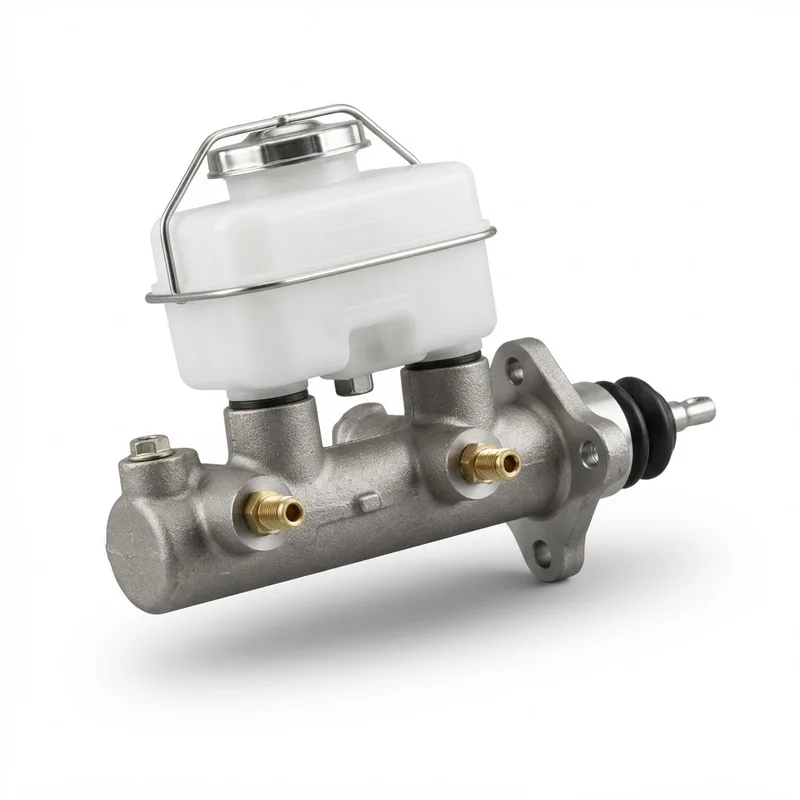
Turns pedal pressure into hydraulic pressure for the brake lines.
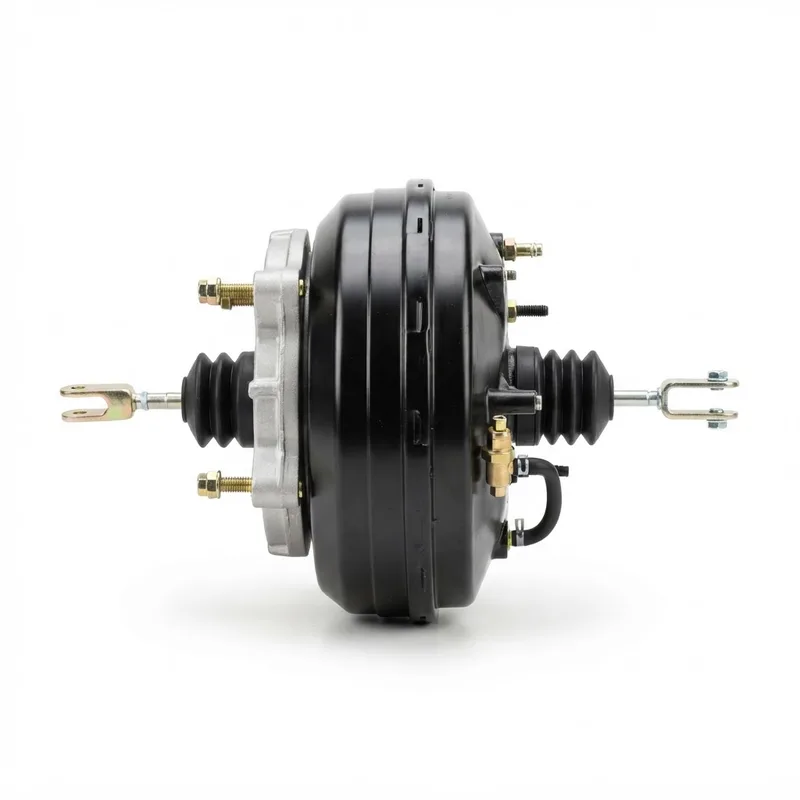
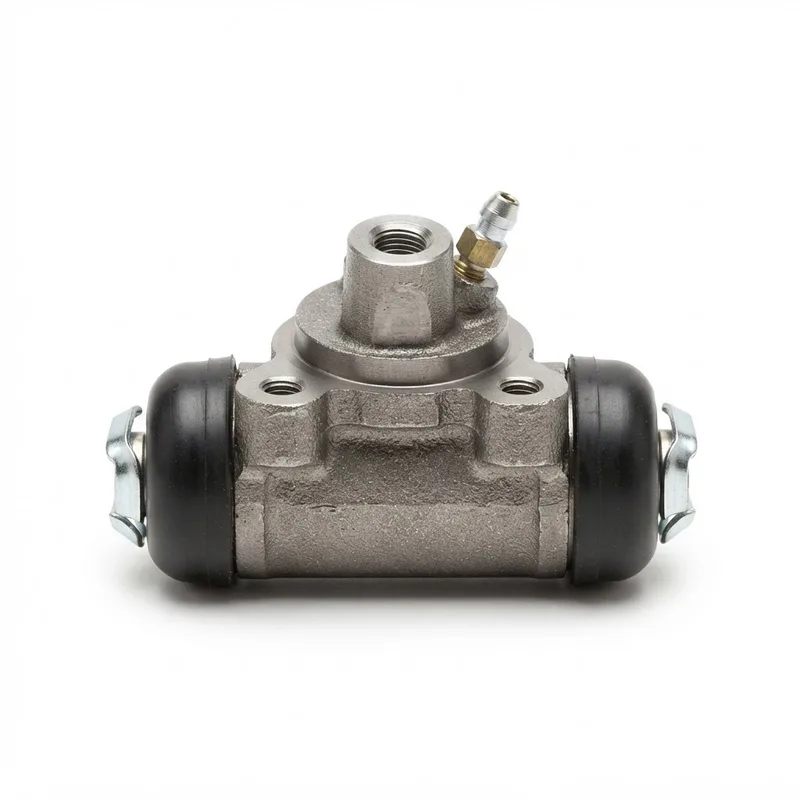
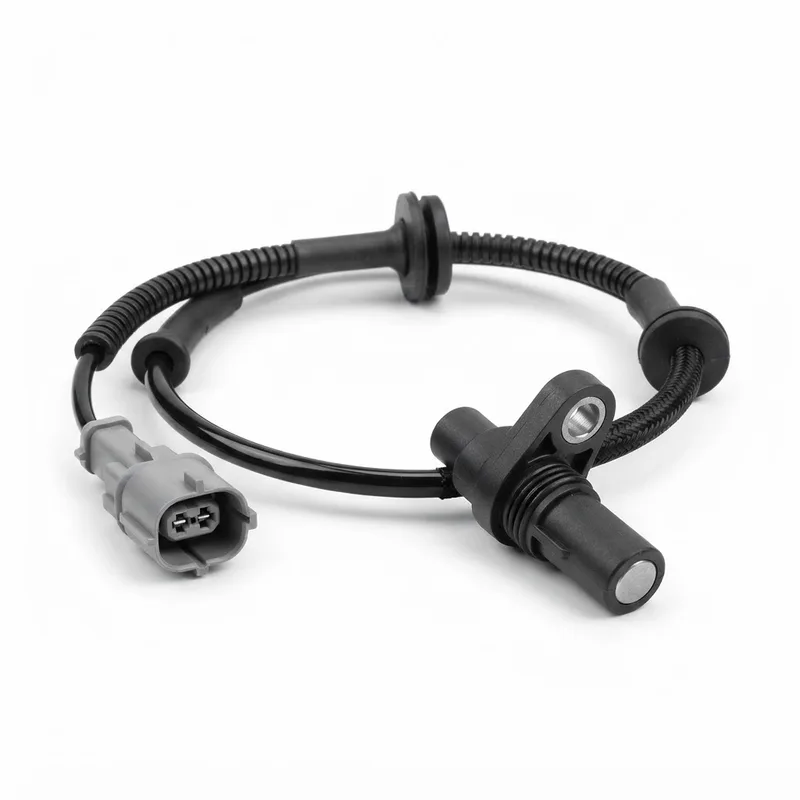
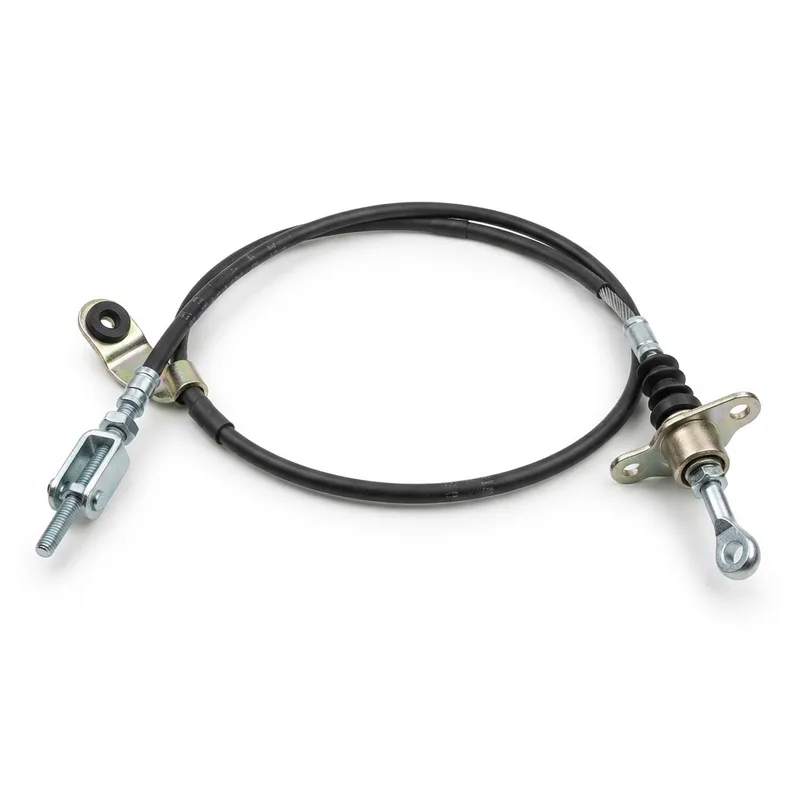
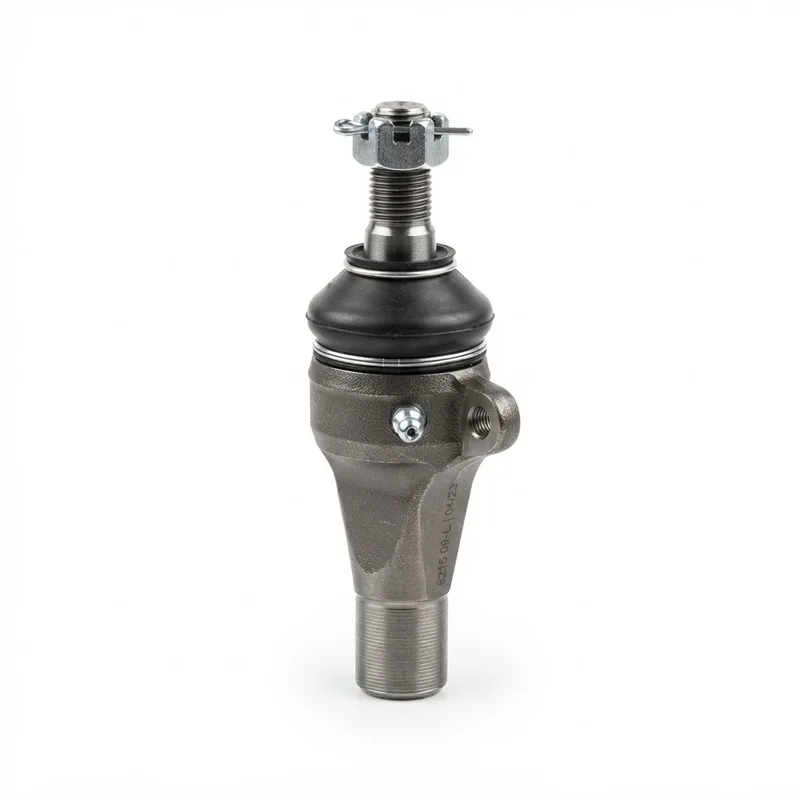
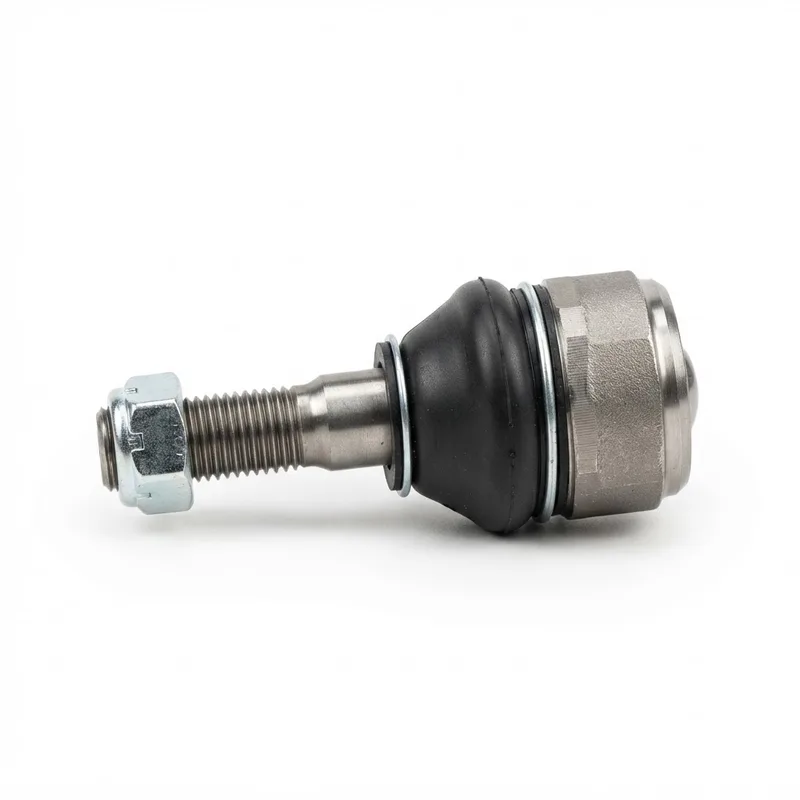
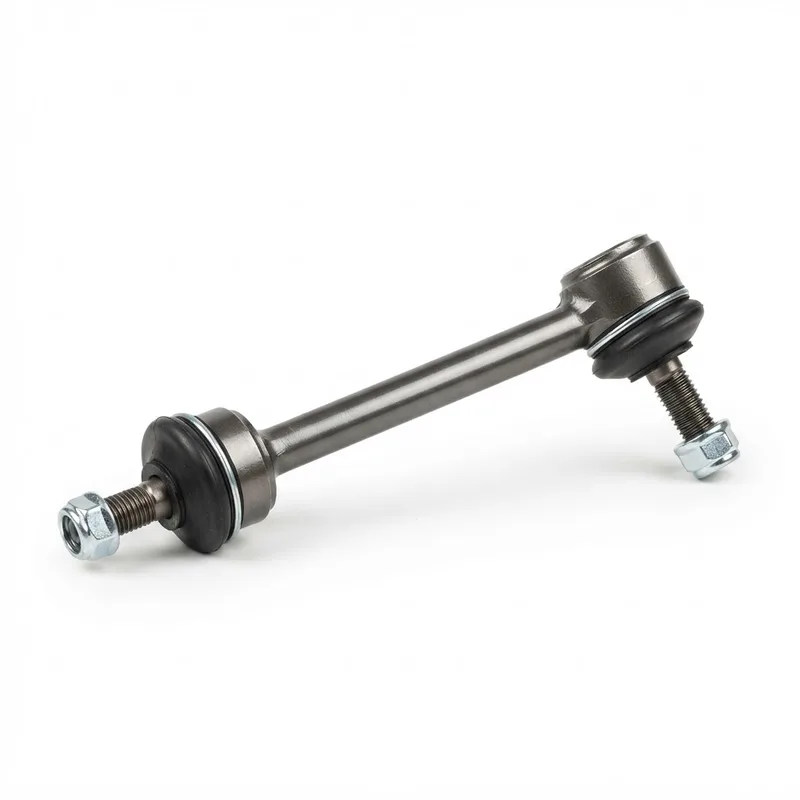
Connect the anti-roll bar to the suspension to reduce body roll in corners.
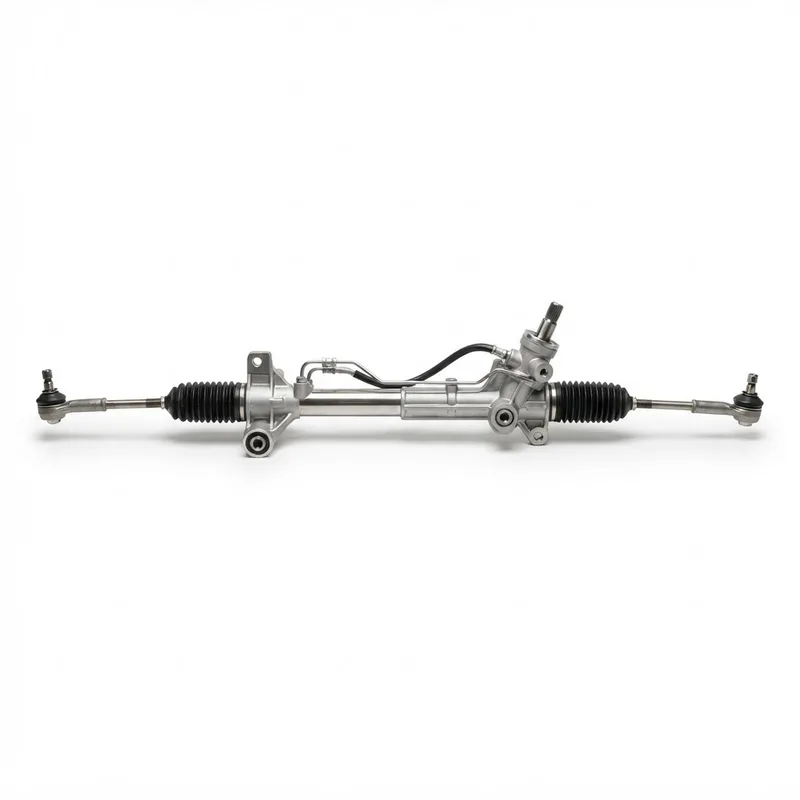
Converts the rotation of the steering wheel into side-to-side movement of the wheels.
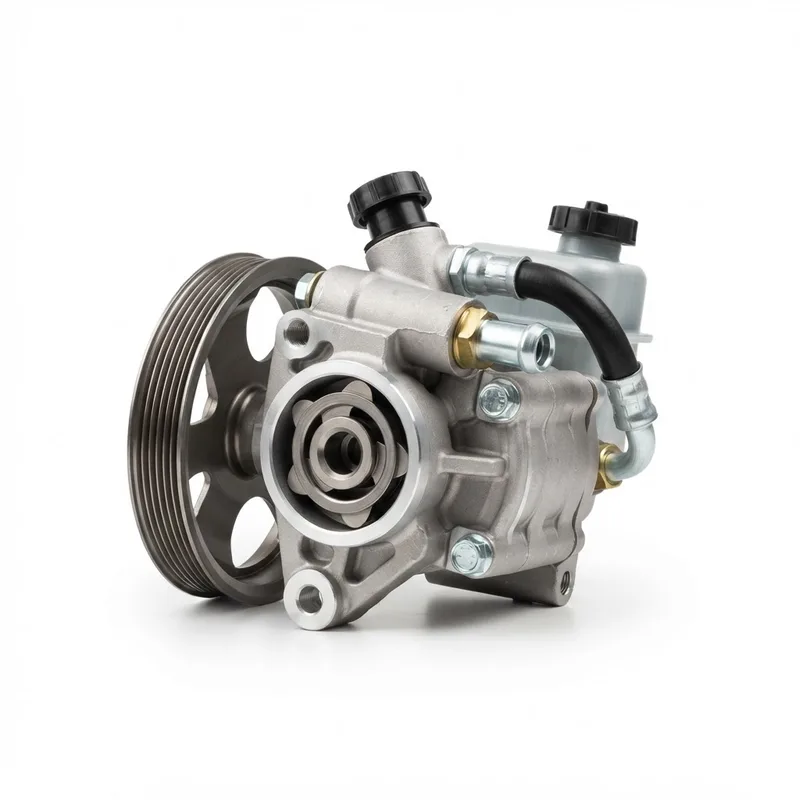
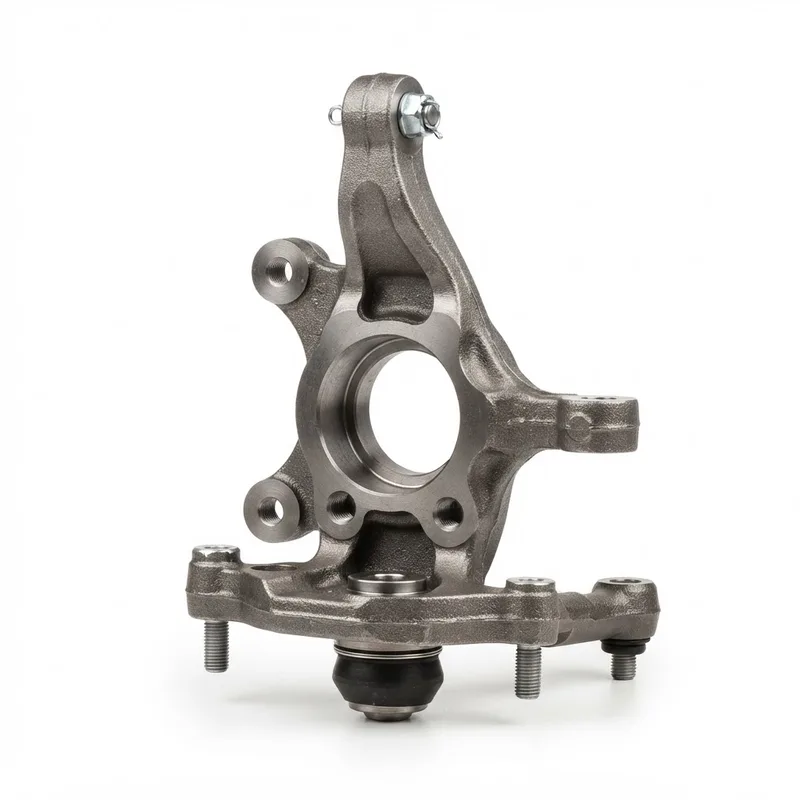
Holds the wheel hub and bearing and connects to the steering and suspension.
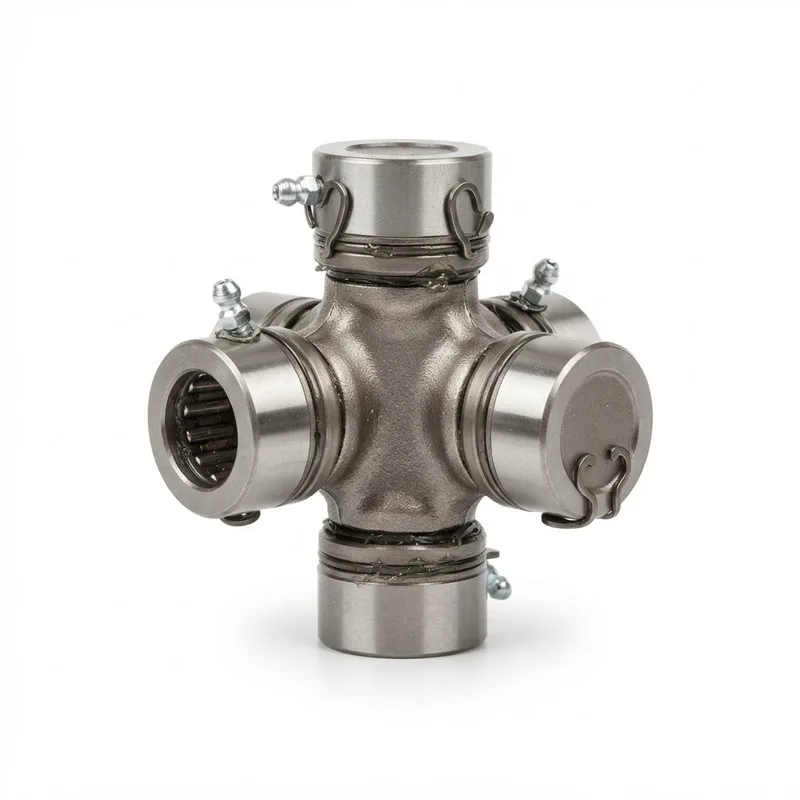
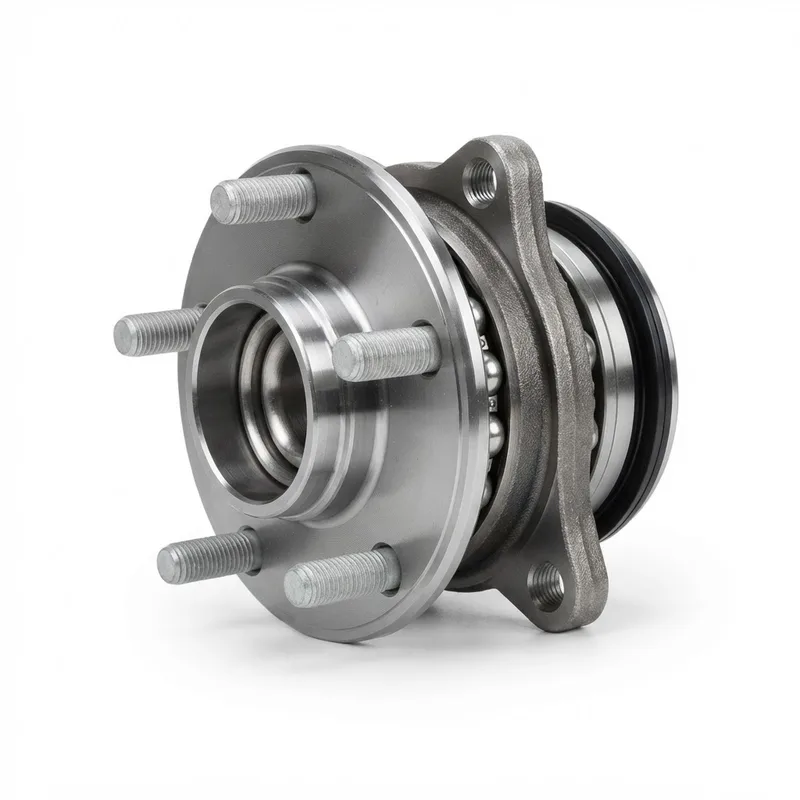
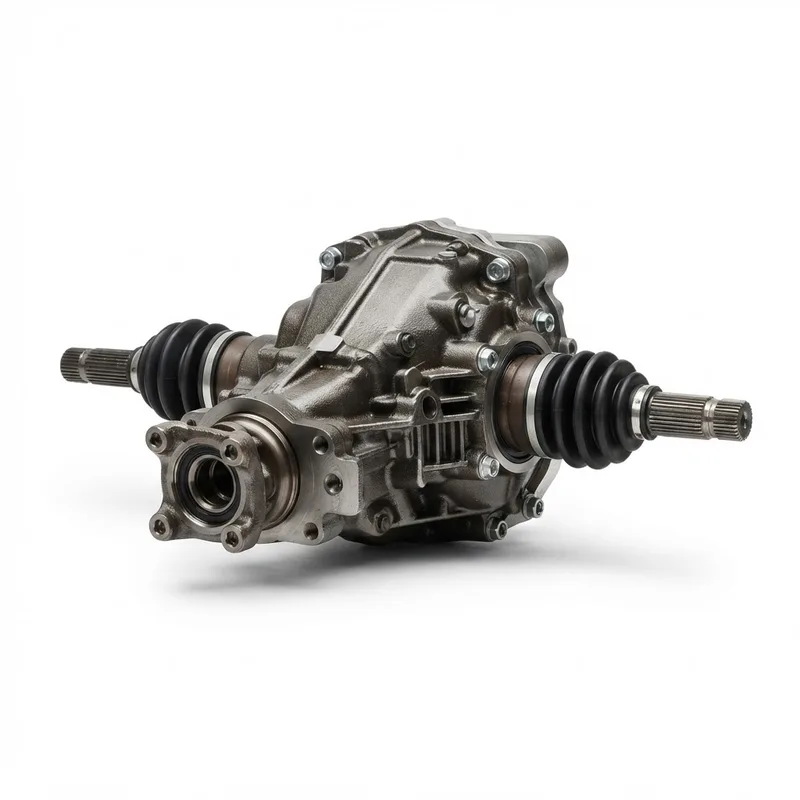
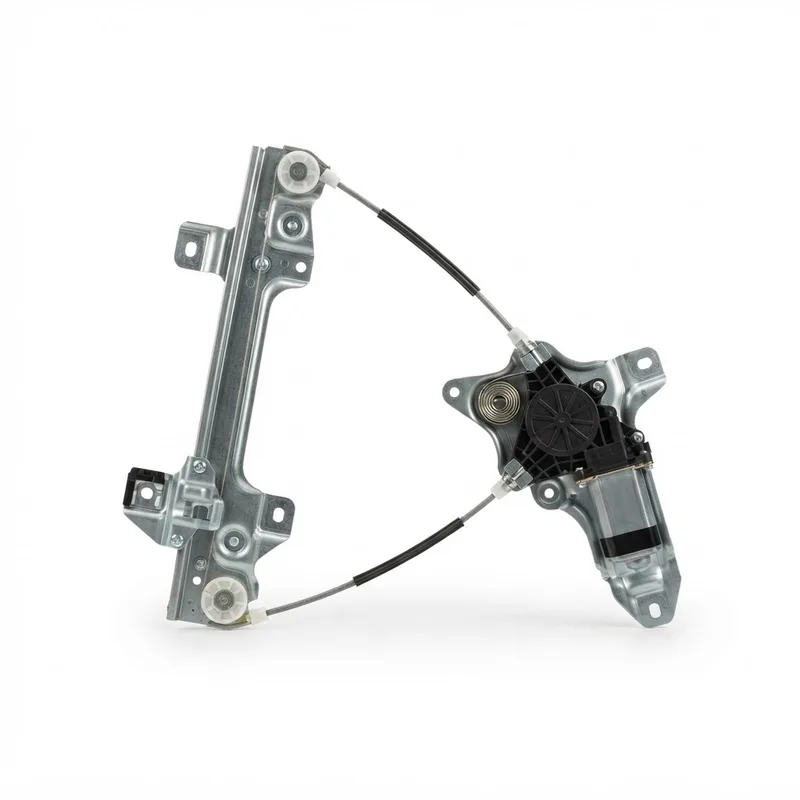
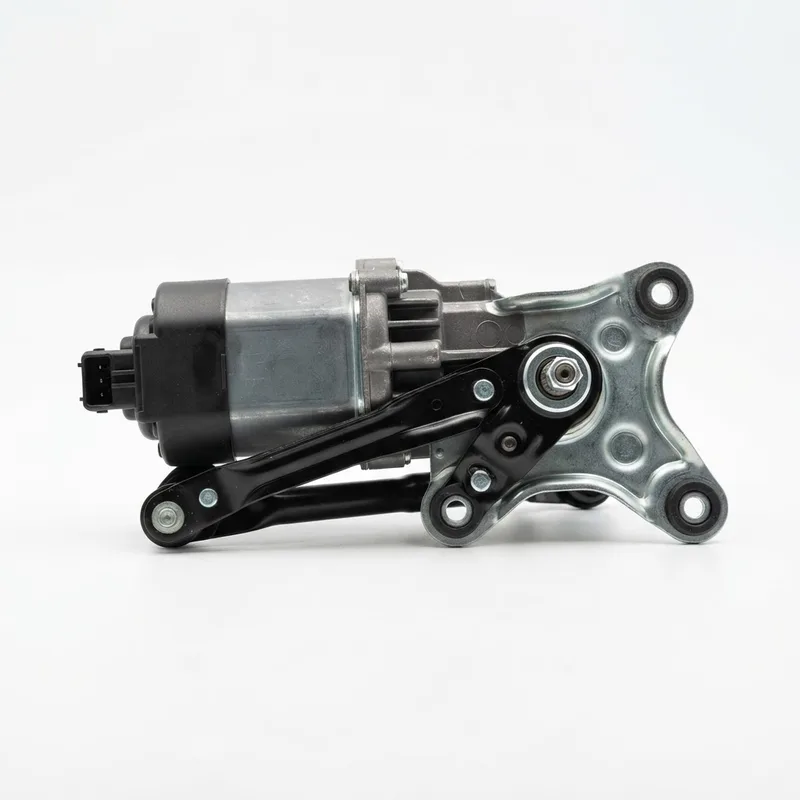
Lets the driver see along the sides of the vehicle.
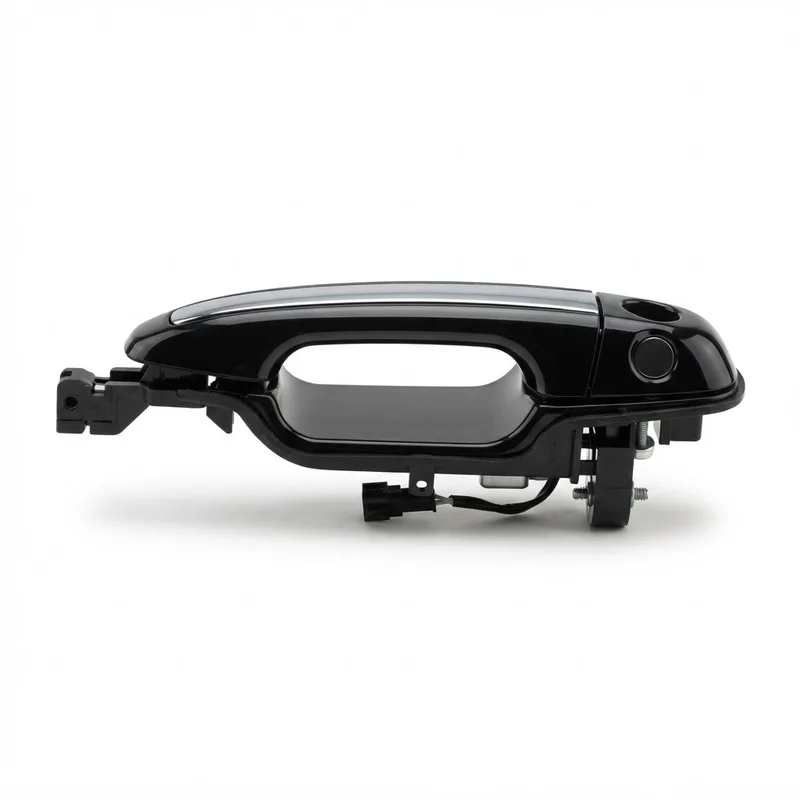
Carries heat away from the engine and protects it from freezing and corrosion.